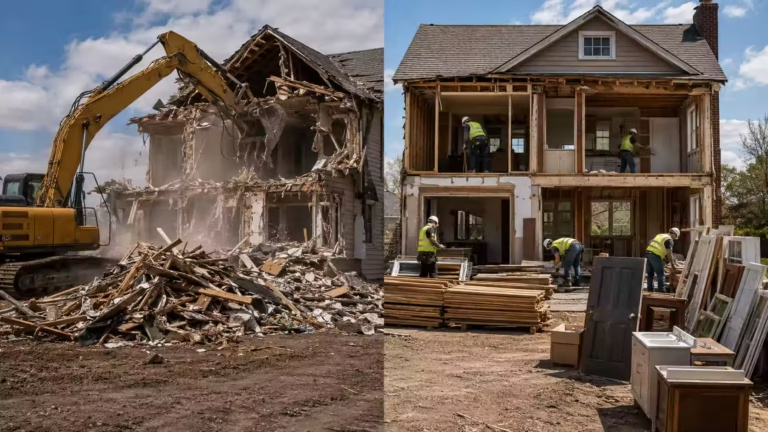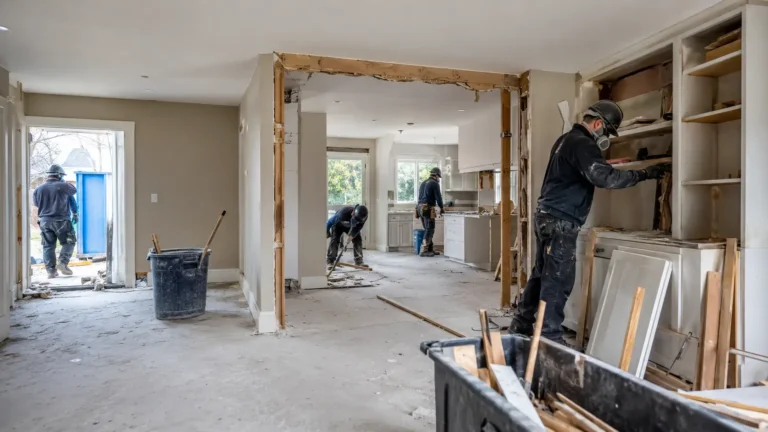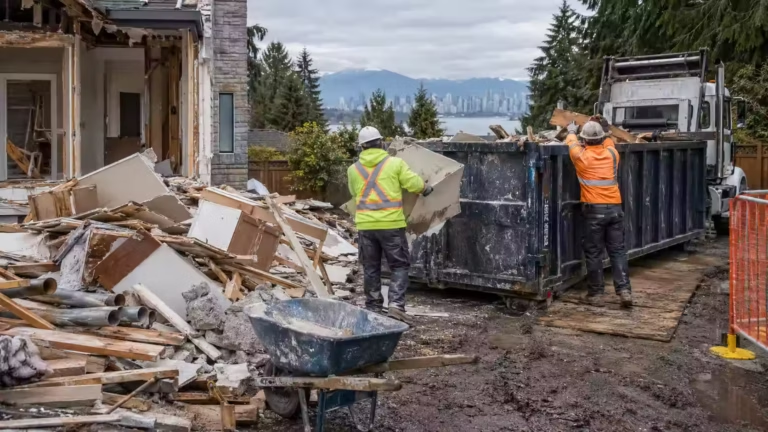
Demolition waste removal is the process of collecting, sorting, transporting, recycling, and safely disposing of materials generated when a building or part of a building is taken apart.
It applies to projects of every size—from removing a kitchen or bathroom to demolishing an entire residential or commercial structure. The goal is not simply to move debris off the property. Proper removal also protects workers, keeps the site organized, reduces environmental impact, and helps the project comply with local regulations.
For homeowners and contractors in British Columbia, waste planning should begin before demolition starts. This is especially important when an older building may contain asbestos or other hazardous materials.
Working with a provider of professional demolition services can help coordinate demolition, debris separation, hauling, and final cleanup as one organized process.
What Counts as Demolition Waste?
Demolition waste includes the building materials, fixtures, finishes, and other debris removed during demolition, renovation, or deconstruction.
Some materials can be reused or recycled. Others must be taken to an approved disposal facility. Materials that contain asbestos, lead, mercury, or other hazardous substances require separate assessment and handling.
Identifying these waste streams early makes it easier to select the correct bins, estimate costs, prevent contamination, and keep recyclable material out of the landfill.
7 Common Types of Demolition Debris
Most demolition projects generate a combination of the following materials:
- Concrete and masonry: Concrete slabs, blocks, bricks, tiles, mortar, and stone are among the heaviest demolition materials. Clean concrete and masonry may be processed into recycled aggregate, depending on local facility requirements.
- Wood and lumber: Framing, flooring, cabinets, doors, plywood, and structural timber may be reusable or recyclable when they are clean and carefully removed.
- Metal: Steel beams, aluminum frames, copper wiring, pipes, ductwork, and metal fixtures often have recycling or salvage value.
- Drywall and gypsum: Wallboard must be separated from general debris because recycling and disposal facilities may have specific requirements based on its age and condition.
- Glass: Windows, mirrors, doors, and glass partitions require careful removal. Construction glass is not always accepted through standard household glass-recycling programs.
- Roofing and insulation materials: Asphalt shingles, membranes, flashing, insulation, and roof decking may require separate handling. Older products should be assessed before anyone cuts or disturbs them.
- Fixtures and mixed materials: Sinks, toilets, lighting, flooring, appliances, cabinets, plastic, packaging, and composite products may be reused, recycled, or disposed of according to their condition and material composition.
The condition of the debris matters as much as its type. Clean, separated wood may be reusable, while painted, treated, mould-damaged, or contaminated wood may have fewer recovery options.
Hazardous Materials That Need Special Handling
A material should never be treated as ordinary demolition debris until potential hazards have been assessed.
Hazardous or controlled materials may include:
- Asbestos-containing insulation, drywall compound, flooring, cement board, or roofing products
- Lead-containing paint and lead-contaminated dust
- Mercury switches, lamps, and older thermostats
- Polychlorinated biphenyls in some older electrical equipment
- Silica dust generated by cutting concrete, brick, tile, or stone
- Mould-contaminated building materials
- Chemicals, fuels, solvents, and pressurized containers
- Contaminated soil
Asbestos deserves particular attention because it may be present in many older BC buildings without being visually obvious. WorkSafeBC advises people not to touch or move suspected asbestos materials and requires qualified professionals to handle removal. Since January 1, 2024, asbestos abatement contractors operating as employers in BC must hold a valid licence, and workers performing regulated abatement work must have the required certification.
A hazardous materials survey should be completed before demolition or renovation where regulated materials may be disturbed. Any identified hazards must be removed or controlled according to the applicable requirements before general demolition begins.
How Demolition Waste Removal Works in 5 Steps
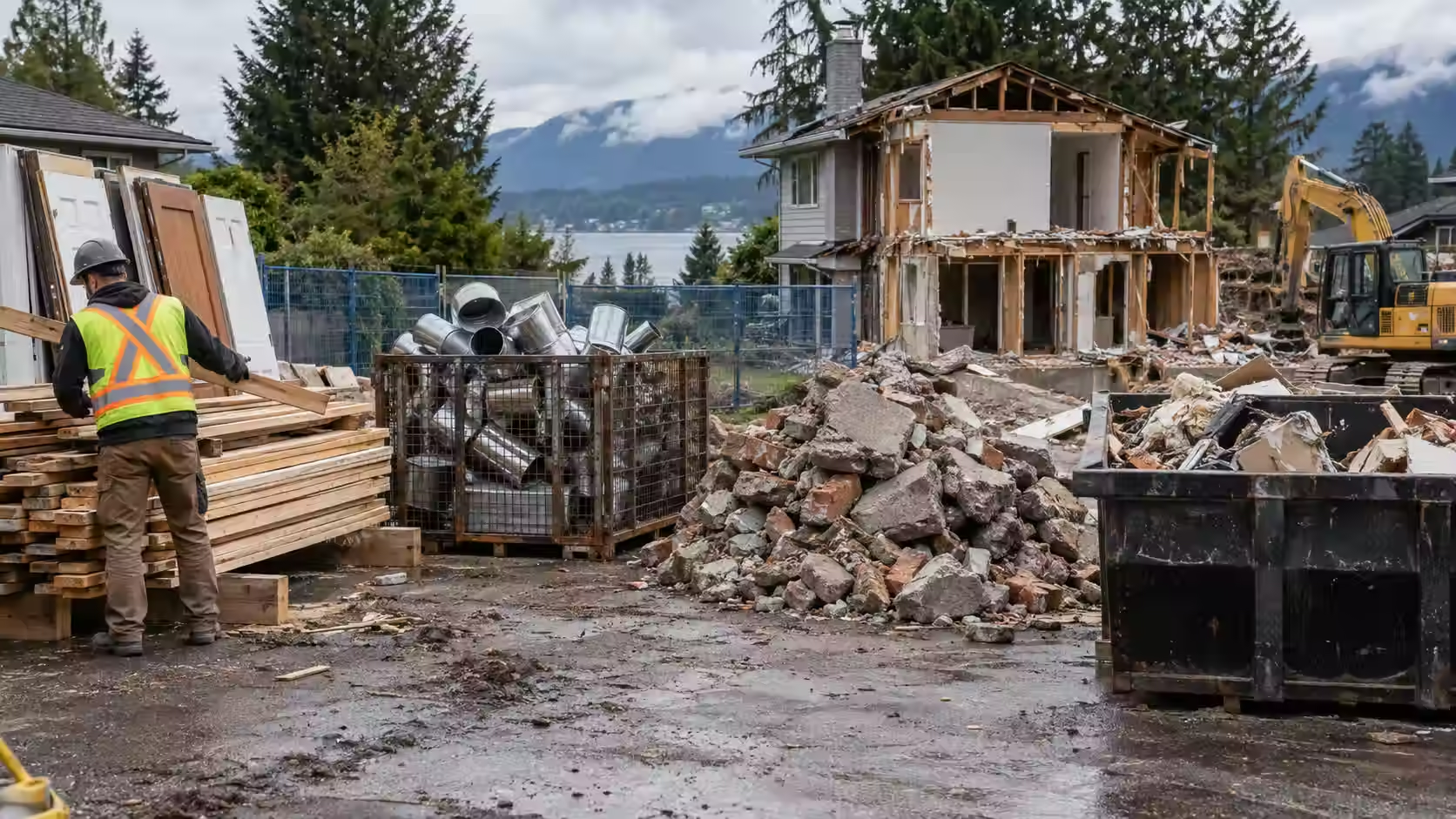
An effective plan follows the debris from its original location to its final reuse, recycling, or disposal destination. Each step affects site safety, cost, and the amount of waste that can be recovered.
1. Inspect and Plan
The first step is assessing the building and the work area.
A professional inspection helps determine:
- What parts of the structure will be removed
- Which materials are likely to be generated
- Whether hazardous-material testing is required
- Which materials can be salvaged
- What bins, vehicles, and equipment will be needed
- How workers and trucks will access the site
- Which permits or municipal requirements apply
- Where each waste stream will be taken
This planning stage should also account for nearby homes, pedestrians, utility lines, landscaping, and occupied parts of the property.
A realistic removal plan prevents a common problem: beginning demolition before there is enough space to safely store and separate the resulting debris.
2. Sort and Salvage
Whenever practical, reusable items should be removed before heavy demolition begins.
Doors, cabinets, plumbing fixtures, appliances, lighting, hardwood, structural timber, and architectural details may have reuse value. Removing them carefully keeps them intact and prevents contamination by dust or mixed waste.
After salvage, the remaining debris can be separated into streams such as:
- Clean wood
- Metal
- Concrete and masonry
- Gypsum
- General waste
- Hazardous material
This is one of the main differences between conventional demolition and deconstruction. Demolition prioritizes efficient structural removal, while deconstruction uses a more selective approach to preserve materials. Property owners can explore the trade-offs in this guide to demolition vs deconstruction.
3. Load and Remove
Once materials are sorted, trained workers load them into the appropriate bins, trucks, or containers.
Loading should be planned to avoid:
- Overfilled or overweight containers
- Sharp objects extending beyond a bin
- Excessive dust
- Unstable debris piles
- Blocked sidewalks or emergency access
- Cross-contamination between recyclable and hazardous materials
Heavy materials such as concrete may need dedicated containers because even a relatively small volume can exceed a truck or bin’s weight limit.
Access also affects the loading method. A clear residential driveway may allow a bin close to the work area, while a tight commercial or downtown site may require smaller equipment, more manual handling, traffic control, or multiple pickups.
4. Recycle or Dispose
Sorted materials are transported to suitable salvage yards, recycling centres, transfer stations, or authorized disposal facilities.
The destination depends on the material, contamination level, quantity, and facility acceptance rules. For example, a facility that accepts clean wood may reject painted or treated lumber. Gypsum, asbestos-containing materials, and mixed construction waste can also have separate packaging and delivery requirements.
Metro Vancouver’s Construction and Demolition Waste Reduction Toolkit provides information about recycling, reuse, service providers, facilities, and hazardous-material management.
Contractors and property owners should confirm acceptance requirements before loading the truck. Arriving with an unacceptable or improperly mixed load can cause delays, added sorting work, and additional fees.
5. Clean the Site
Waste removal is not finished when the large debris leaves.
The final stage may include:
- Collecting small fragments and loose fasteners
- Removing dust using an appropriate method
- Checking access routes and neighbouring areas
- Clearing bins, tools, and temporary barriers
- Inspecting for hidden debris or sharp objects
- Confirming that the next trade can enter safely
- Retaining disposal or recycling records when required
A clean handover reduces injury risks and helps the next construction phase begin without unnecessary delays. For a closer look at this stage, read about demolition site cleanup services for contractors.
4 Benefits of Proper Waste Removal
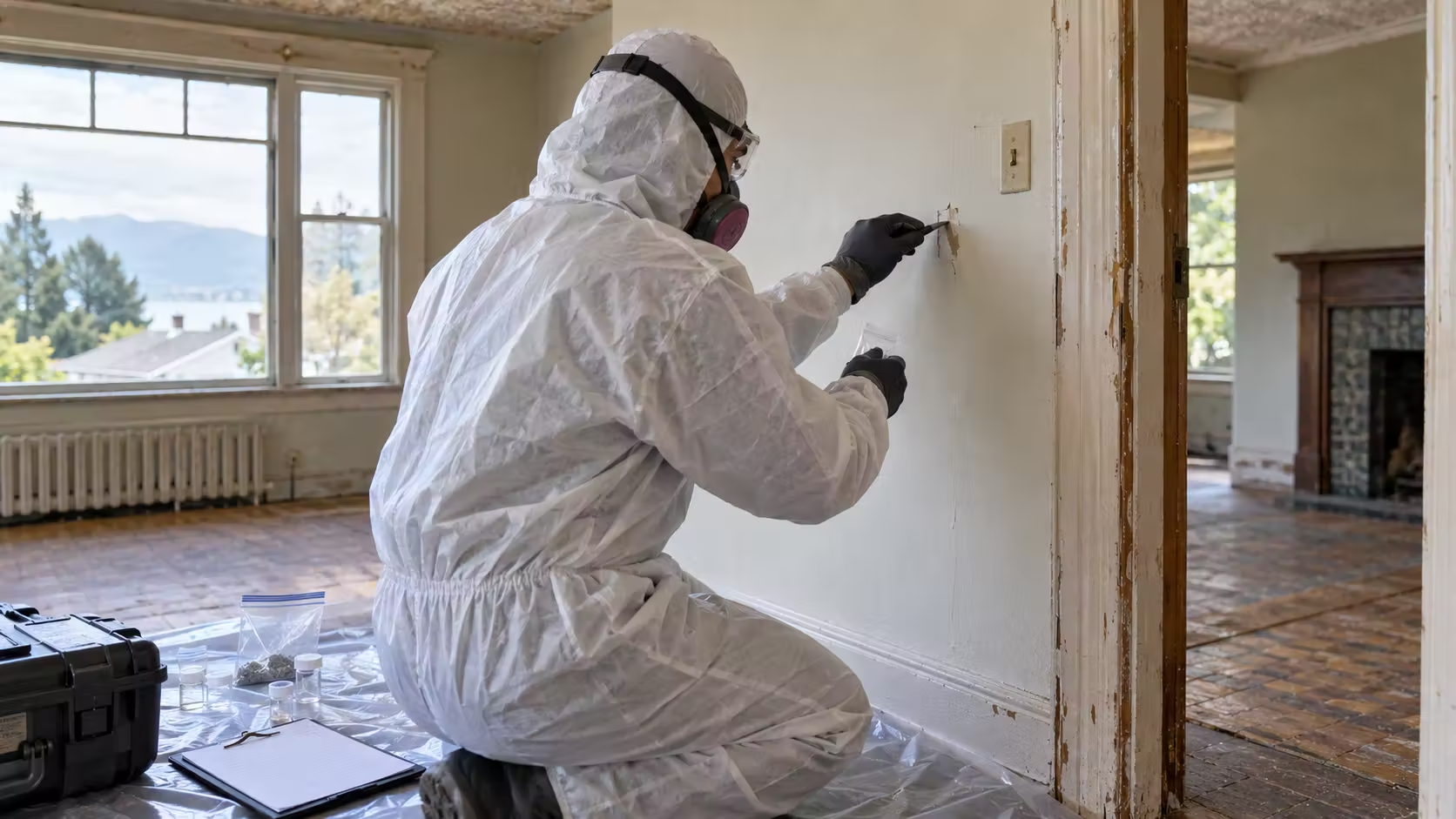
Proper demolition waste removal provides more than a tidy property.
- A safer work environment
Organized waste areas reduce exposure to sharp metal, broken glass, protruding nails, unstable piles, dust, and blocked access routes. Separating suspected hazardous material also helps prevent accidental disturbance and cross-contamination.
- Higher recycling and reuse potential
Wood, metal, concrete, fixtures, and other materials are easier to recover when they are separated early. Once clean material is mixed with contaminated or general waste, recycling may become difficult or impossible.
- Better control of time and costs
Scheduled pickups, suitable bin sizes, and confirmed disposal locations reduce downtime. Proper sorting may also prevent contamination charges, rejected loads, and unnecessary landfill fees.
- Improved regulatory compliance
Municipalities may impose demolition permits, waste-diversion targets, reporting requirements, deposits, or material-specific rules. A documented removal plan makes it easier to demonstrate where debris was taken and how it was managed.
What Can Be Reused or Recycled?
The recovery potential depends on the condition of the material and the services available near the project.
Materials commonly considered for reuse include:
- Solid wood doors
- Cabinets and shelving
- Plumbing fixtures
- Lighting fixtures
- Appliances
- Hardwood flooring
- Structural timber
- Bricks and stone
- Architectural hardware
Materials that may be recyclable include:
- Steel, aluminum, copper, and other metals
- Clean concrete
- Asphalt
- Untreated wood
- Certain gypsum products
- Cardboard and packaging
- Some roofing materials
Reuse normally preserves more of a product’s original value than processing it into a new material. A usable door, for example, may be donated or installed elsewhere instead of being broken down as waste.
Not every removed item should be salvaged. Materials that are structurally damaged, contaminated, or suspected of containing hazardous substances should be assessed before reuse, transport, or disposal.
6 Factors That Affect Removal Costs
Demolition waste removal does not have one standard price. Six factors usually have the greatest impact on the estimate:
- Debris volume and weight: A large quantity of lightweight wood is handled differently from a smaller but much heavier load of concrete.
- Type of material: Clean, recyclable debris may have different handling and facility fees than mixed construction waste.
- Hazardous materials: Testing, containment, licensed abatement, specialized packaging, documentation, and approved disposal can significantly change the project scope.
- Site access: Narrow driveways, stairs, elevators, occupied buildings, traffic restrictions, and limited bin placement can increase labour and equipment requirements.
- Transportation and facility fees: Travel distance, number of trips, vehicle requirements, disposal rates, and facility minimum charges affect the total.
- Sorting and municipal requirements: Waste-diversion targets, documentation, permits, deposits, and required separation may add planning work but can also improve material recovery.
A reliable estimate should state what is included. Ask whether labour, bins, hauling, tipping fees, final cleanup, permits, and hazardous-material work are included or billed separately.
DIY vs Professional Waste Removal
DIY removal may be practical for a small quantity of known, non-hazardous material when the property owner has suitable transportation, lifting help, protective equipment, and a confirmed disposal location.
However, demolition debris is often heavier and more difficult to manage than expected. Risks include:
- Handling materials that have not been tested
- Lifting injuries
- Cuts and puncture wounds
- Dust exposure
- Vehicle overloading
- Improperly secured loads
- Rejected materials at the disposal facility
- Accidental mixing of recyclable and hazardous waste
- Damage to driveways, walls, elevators, or landscaping
Professional removal is generally the safer option for structural demolition, commercial work, concrete removal, multi-storey properties, large debris volumes, or projects involving suspected hazardous materials.
Do not cut, sand, break, or transport a material that may contain asbestos simply to make it fit into a bin. Stop work and arrange an appropriate assessment.
How to Choose a Demolition Waste Company in BC
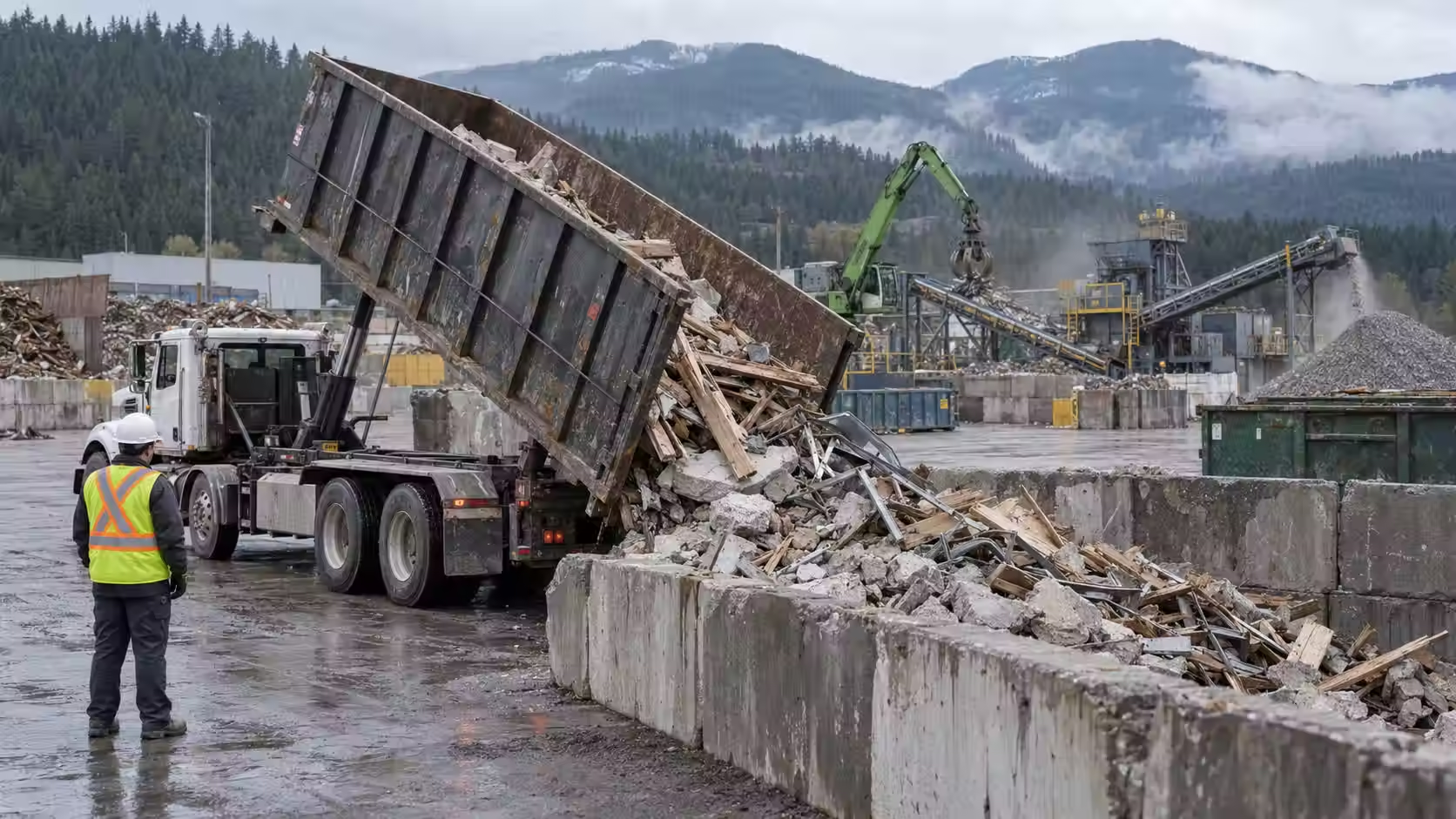
A suitable contractor should be able to explain both how the debris will leave the property and where it will go.
Before hiring a company, ask:
- Does the company carry appropriate insurance and WorkSafeBC coverage?
- Has the team handled projects of a similar size and material type?
- Will the property be inspected before the quote is finalized?
- How will reusable, recyclable, general, and hazardous materials be separated?
- Which recycling or disposal facilities will receive the materials?
- Are labour, containers, hauling, tipping fees, and cleanup included?
- Who will obtain the required permits?
- Can the company provide disposal or diversion records if required?
- What happens if unexpected hazardous material is discovered?
- Is the scope, schedule, and payment structure provided in writing?
If asbestos abatement is included, verify the contractor’s current licensing status through WorkSafeBC’s licensed-contractor registry.
Be cautious of quotes that are unusually low but do not identify disposal costs, facility destinations, insurance, or hazardous-material procedures. A clear written scope is more useful than a vague promise to “take everything away.”
Plan a Safer, Cleaner Demolition Project
Demolition waste removal works best when it is planned before the first wall, fixture, or slab is removed.
Start by identifying the materials, assessing potential hazards, checking municipal requirements, and deciding what can be salvaged or recycled. Then coordinate suitable containers, approved facilities, transportation, and final cleanup.
This approach helps protect workers and occupants while reducing delays, mixed waste, and avoidable disposal costs.
For professional support with residential or commercial demolition, debris removal, hazardous-material concerns, and site cleanup in Metro Vancouver, contact Rocky Demolition & Asbestos Removal to arrange a project assessment.
Frequently Asked Questions
1. Who Is Responsible for Demolition Waste?
The property owner is generally responsible for ensuring the project follows permit and waste-management requirements, while the demolition or hauling contractor may handle the physical sorting, transport, and disposal under the contract.
Responsibilities should be defined in writing before work begins. The agreement should clarify who arranges testing, permits, bins, hauling, disposal documentation, and final cleanup.
Even when a contractor is hired, the owner should confirm that materials are going to appropriate facilities.
2. Can Demolition Debris Go in a Regular Bin?
Most demolition debris should not be placed in a regular household garbage bin.
Concrete, drywall, lumber, metal, roofing, fixtures, and large quantities of renovation waste may require a construction bin, transfer station, recycling facility, or specialized collection service. Local rules and facility acceptance policies vary.
Hazardous materials must never be mixed with ordinary garbage or general demolition waste. When the material is unknown, have it assessed before handling it.
3. How Long Does Waste Removal Take?
A small interior project may be cleared within a day, while full-building demolition can require multiple days or weeks of sorting, hauling, and cleanup.
The schedule depends on:
- Project size
- Debris volume
- Building access
- Number of waste streams
- Salvage requirements
- Hazardous-material abatement
- Available trucks and bins
- Facility hours and travel distance
- Permit or inspection requirements
Waste removal should be coordinated with the demolition sequence rather than postponed until the end. Regular pickups keep the working area safer and reduce congestion.
4. Do You Need a Permit in BC?
Many demolition projects require a municipal permit, but the exact requirements depend on the location, building type, age, scope, and materials involved.
For example, the City of Vancouver states that taking down a building requires a demolition permit and that reuse and recycling requirements depend on the type of building. Burnaby requires demolition projects to meet its applicable waste-diversion rules, while other municipalities have their own permit, deposit, salvage, or reporting processes.
Interior removal may also require permits when it affects structural components, utilities, fire-safety systems, or the building’s use.
Before starting, confirm the current requirements directly with the local municipality. Permit approval does not replace the need for hazardous-material assessment or compliance with WorkSafeBC requirements.