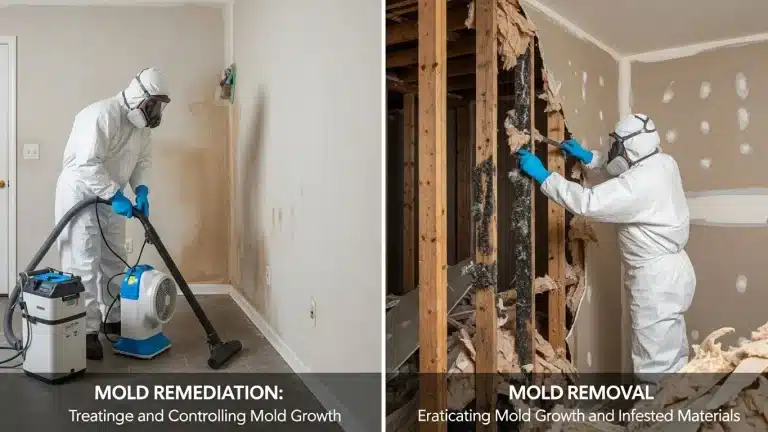
When dealing with indoor mold, homeowners often face confusion about whether to choose mold remediation or removal. Understanding the distinction between mold remediation vs removal is essential for effective and safe solutions. Both methods aim to protect health and property, but their approaches, costs, and long-term benefits differ significantly.
In Vancouver, professional services like mold removal Vancouver offer expert guidance on selecting the right approach based on the extent of mold growth. Choosing the appropriate solution ensures not only immediate cleanup but also prevention of future infestations.
What Is Mold Remediation?
Mold remediation focuses on addressing the underlying causes of mold growth, rather than just eliminating visible mold. This process involves identifying moisture sources, repairing leaks, and using specialized cleaning methods to reduce mold colonies.
Key steps in mold remediation include:
- Assessment and Inspection – Professionals examine the affected area to determine the type and extent of mold.
- Containment – Areas are sealed to prevent mold spores from spreading to other parts of the property.
- Cleaning and Removal of Contaminated Materials – Surfaces are cleaned using antimicrobial treatments, and non-salvageable materials are safely removed.
- Prevention Measures – Fixing leaks, improving ventilation, and applying mold-resistant coatings help prevent recurrence.
Unlike complete removal, remediation does not always involve tearing out walls or floors. It emphasizes controlling the environment to inhibit mold regrowth, making it ideal for long-term maintenance.
What Is Mold Removal?
Mold removal is a more aggressive approach, focused primarily on physically eliminating mold from surfaces or structures. This method is usually applied when mold growth is severe or structural materials are heavily contaminated.
Typical steps include:
- Physical Extraction – Cutting out and discarding drywall, insulation, or flooring affected by mold.
- Surface Cleaning – Treating exposed surfaces with chemical or natural solutions to kill remaining spores.
- Disposal and Decontamination – Safe disposal of contaminated materials to prevent secondary contamination.
Mold removal is often faster but more invasive and expensive than remediation. It is particularly recommended for widespread infestations that compromise structural integrity or pose serious health risks.

Mold Remediation vs Removal: Key Differences
To clarify the distinction between mold remediation vs removal, the table below summarizes the main differences:
| Feature | Mold Remediation | Mold Removal |
|---|---|---|
| Approach | Addresses root cause, moisture control | Physical elimination of mold |
| Invasiveness | Minimally invasive | Often requires demolition |
| Cost | Moderate | Higher |
| Time | Longer-term solution | Immediate but short-term |
| Goal | Prevent recurrence | Eliminate current infestation |
As seen in the table, choosing between remediation and removal depends on the severity of mold growth, budget, and long-term goals. Homeowners in Vancouver can consult local experts to determine whether mold remediation vs removal is more appropriate for their property.
Health and Safety Considerations
Mold exposure can trigger respiratory problems, allergies, and chronic health issues. Deciding between mold remediation vs removal should involve a careful assessment of health risks. Remediation typically controls mold growth without disturbing spores, reducing airborne exposure. On the other hand, improper removal can release spores, worsening indoor air quality.
Professional services ensure safety by using protective gear, HEPA filtration, and controlled containment during both remediation and removal processes.
Choosing the Right Method
When deciding between mold remediation vs removal, consider these factors:
- Extent of Infestation – Small, localized mold often benefits from remediation. Extensive growth may require removal.
- Structural Damage – Mold in structural components often necessitates removal.
- Budget and Time – Remediation may be cost-effective long-term, while removal offers immediate results.
- Future Prevention – Remediation addresses moisture issues, which is crucial for sustainable solutions.
For homeowners seeking reliable solutions, services like mold removal Vancouver combine professional assessment with safe, effective treatment tailored to property needs.
Conclusion
Understanding mold remediation vs removal is critical for protecting both your home and health. Remediation focuses on controlling mold and preventing recurrence, while removal provides immediate elimination of severe infestations. Using LSI-related strategies, homeowners can choose the best approach based on severity, cost, and long-term goals.
Investing in professional services ensures proper containment, safe removal, and long-term mold prevention. Whether you prioritize immediate cleanup or sustainable environmental control, knowing the differences between mold remediation vs removal empowers you to make informed decisions for a healthier living space.