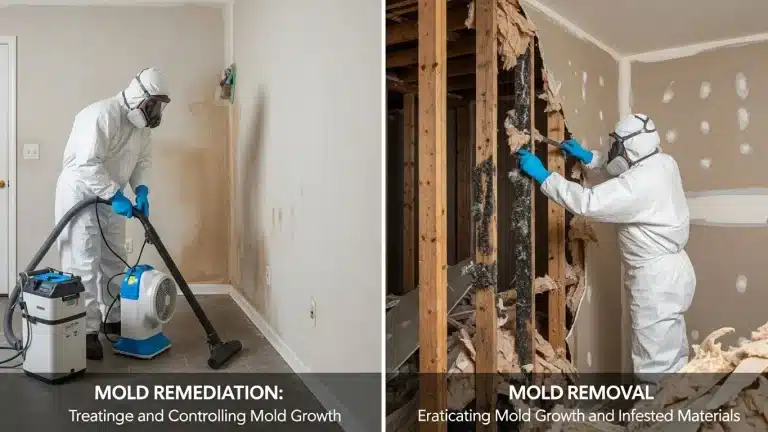
Mold damage in office buildings is a serious concern that can affect both the structural integrity of the property and the health of its occupants. Identifying the signs early can help in preventing costly repairs and health-related issues. In this article, we will explore the most common signs of mold damage in office buildings, why it happens, and the steps you can take to mitigate its effects.
What is Mold Damage in Office Buildings?
Mold damage in office buildings refers to the deterioration or growth of mold and mildew in areas where there is excessive moisture. Mold can thrive in hidden areas such as behind walls, under carpets, and in HVAC systems. When moisture levels increase in the building due to leaks, humidity, or poor ventilation, mold can develop quickly and spread, causing significant damage.
Common Signs of Mold Damage in Office Buildings
Identifying mold damage in office buildings early can help reduce the costs associated with remediation. Here are some of the most common signs to look out for:
- Musty Odor
One of the first signs of mold damage in office buildings is a musty smell. This odor is often the result of mold spores thriving in hidden areas. If you notice an unpleasant, earthy odor in certain rooms or hallways, it’s time to inspect further. - Visible Mold Growth
Mold can appear as black, green, or white patches on walls, ceilings, or floors. This is a clear indication of mold damage in office buildings. Often, mold growth starts in corners or areas with little airflow, such as behind furniture or in dark, damp areas like basements. - Water Stains or Discoloration
Water stains on walls, ceilings, or floors are another clear indicator of moisture issues, which can lead to mold growth. These stains are often yellow or brown and appear after leaks, floods, or high humidity in the office. - Peeling Paint or Wallpaper
If you notice paint or wallpaper peeling or bubbling, it could be a sign that there is moisture behind the surface, which can lead to mold growth. Mold damage in office buildings often causes the paint to crack or blister as the moisture seeps through. - Increased Allergic Reactions
If employees begin to experience more frequent allergic reactions, such as sneezing, coughing, or eye irritation, it could be due to mold spores circulating in the air. Mold is a known trigger for respiratory issues, and prolonged exposure can worsen these symptoms.
Causes of Mold Damage in Office Buildings
Understanding the causes of mold damage in office buildings is key to preventing it from happening in the first place. Common causes include:
- Leaky Roofs or Windows: Water leaks from the roof or windows can create moist environments conducive to mold growth.
- High Humidity: In areas with high humidity levels, mold is more likely to develop, especially in poorly ventilated spaces.
- Plumbing Issues: Leaks in pipes or bathrooms can cause moisture to accumulate in hidden places, leading to mold growth behind walls or under floors.
- Poor Ventilation: Inadequate airflow in office buildings, especially in areas like basements, attics, or storage rooms, can contribute to mold growth by trapping moisture.
How to Prevent Mold Damage in Office Buildings
Preventing mold damage in office buildings requires a proactive approach. Here are some strategies to help keep your building mold-free:
- Fix Leaks Quickly
Regularly inspect the building for leaks in the roof, windows, pipes, and HVAC systems. Fix any leaks immediately to prevent water from accumulating and creating the conditions mold needs to thrive. - Control Humidity Levels
Invest in dehumidifiers or air conditioning systems to keep humidity levels in check. This is especially important in areas with high humidity, such as basements and kitchens. - Improve Ventilation
Ensure proper ventilation in areas prone to moisture, such as bathrooms and kitchens. Consider installing vents or exhaust fans to improve airflow and reduce moisture levels. - Conduct Regular Inspections
Regularly inspect the office building for signs of mold damage, especially in hidden areas such as behind walls, under carpets, and around windows. - Mold Remediation Services
If mold damage is already present, it’s essential to hire a professional mold remediation service to handle the problem. Companies like Rocky Demolition & Asbestos Removal specialize in mold removal and can help restore your office space.
When to Call a Professional for Mold Removal
While some minor mold issues can be handled with DIY solutions, it’s important to call a professional when the mold damage in office buildings is widespread or difficult to reach. A professional mold removal company can safely remove mold and prevent future growth. If you are dealing with a significant mold issue in your office, it’s essential to seek professional help to ensure thorough and effective remediation.
If you’re located in Vancouver and need professional assistance, consider contacting mold removal Vancouver for reliable mold detection and remediation services.
Conclusion
Mold damage in office buildings can lead to significant health risks and costly repairs if not addressed promptly. By being aware of the common signs of mold damage and taking proactive steps to prevent it, you can protect your office building from mold-related issues. If you suspect mold damage in your office, don’t wait – take action and contact a professional mold removal service today.