Safe Renovation Planning for Homes With Potential Asbestos
Home renovation projects often begin with design ideas, contractor estimates, material selections, and construction schedules. But in many older homes, there is one important step that should come before demolition or removal work begins: checking for asbestos-containing materials.
Asbestos removal for home renovation projects is not just a safety concern. It can affect project timing, contractor access, disposal planning, inspection readiness, and the overall success of the renovation. If suspect materials are disturbed before proper testing or removal, the project can become more complicated, more disruptive, and more expensive to control.
For homeowners and contractors in Burnaby, Vancouver, Coquitlam, Richmond, Surrey, Langley, and nearby BC communities, a careful asbestos plan can help renovation work move forward with fewer surprises.
Why Asbestos Matters During Renovation
Asbestos was used in many building materials because it was durable, heat-resistant, and practical for construction. The problem is that asbestos-containing materials can become hazardous when they are cut, drilled, sanded, broken, removed, or demolished. Renovation work often involves exactly those activities.
A material that appears harmless while left in place may become a concern once a renovation crew starts opening walls, removing flooring, scraping ceilings, replacing insulation, or cutting into old building assemblies. This is why asbestos testing before renovation is an important planning step for many older homes.
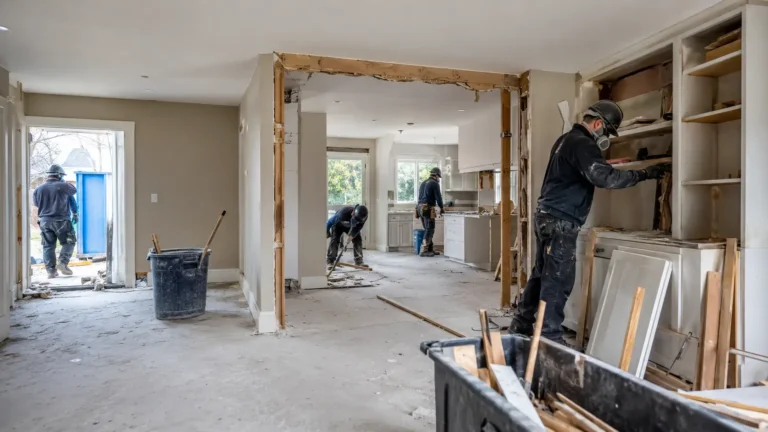
Common renovation activities that may disturb suspect materials include kitchen demolition, bathroom renovation, basement finishing, flooring replacement, drywall removal, ceiling texture removal, window replacement, pipe access, wall openings, and full interior strip-outs.
The goal is not to create unnecessary concern. The goal is to identify risk before work begins so the project can be handled safely, professionally, and in the correct sequence.
What Materials May Contain Asbestos?
Asbestos can be present in several types of older residential building materials. It is not always visible, and it cannot be confirmed by appearance alone. Testing is usually needed when suspect materials may be disturbed during renovation.
Materials that may require assessment include drywall joint compound, plaster, textured ceilings, vinyl floor tiles, sheet flooring, flooring adhesives, pipe insulation, duct insulation, attic insulation, vermiculite, cement board, siding, roofing materials, old mastics, and some fireproofing materials.
For example, a bathroom renovation may involve removing old flooring, drywall, tile backing, and ceiling materials. A kitchen renovation may involve removing cabinets, flooring, drywall, and wall finishes. A basement renovation may involve insulation, old drywall compound, pipe wrap, or floor materials. Each project has a different risk profile depending on the age of the home, previous renovations, and the materials being disturbed.
Because asbestos may be hidden behind finishes or layered beneath newer materials, a proper pre-renovation assessment is often the safest way to understand the scope before demolition begins.
When Should Homeowners Arrange Asbestos Testing?
Homeowners should consider asbestos testing before renovation when the work will disturb older materials or open building assemblies. This is especially important before removing drywall, scraping ceilings, replacing flooring, cutting into walls, removing insulation, or starting interior demolition.
Testing is also important when contractors or trades will be working in the home. Electricians, plumbers, HVAC contractors, framers, drywall crews, flooring installers, and restoration workers may all need safe access to the renovation area. If suspect materials are present, those trades should not be asked to work around unknown hazards.
Asbestos testing before renovation helps answer practical questions: What materials are present? Which areas can be disturbed safely? Is asbestos abatement required before demolition? How should the renovation schedule be planned? What should be removed first? What materials need specialized handling?
For homeowners planning a renovation, testing can also help avoid mid-project shutdowns. It is much easier to build asbestos assessment into the early planning stage than to discover a problem after demolition has already started.
How Asbestos Removal Fits Into a Renovation Schedule
Asbestos removal should be handled before renovation work disturbs asbestos-containing materials. This sequencing matters. If a contractor removes flooring, drywall, ceilings, or insulation before testing, the project may create contamination concerns that require additional control measures and cleanup.
A better process starts with identifying the renovation scope. The homeowner or contractor should determine which rooms, surfaces, and materials will be affected. From there, asbestos testing can help confirm whether abatement is needed. If asbestos-containing materials are found, removal should be scheduled before general demolition or construction continues.
Once asbestos abatement is complete, the renovation team can move forward with a clearer work area. This helps keep the project organized and reduces uncertainty for trades. For larger projects, asbestos removal may be coordinated in phases so specific rooms or areas can be prepared before the next stage of construction.
Rocky Demolition & Asbestos Removal provides asbestos removal and asbestos testing services for residential and commercial projects, helping property owners and contractors plan the right sequence before renovation or demolition work proceeds.
Renovation Projects Where Asbestos Planning Is Especially Important
Some renovation projects are more likely to disturb suspect materials than others. A surface-level update may not require the same planning as a full interior renovation, but any project that cuts into, removes, or demolishes older materials should be reviewed carefully.
Kitchen Renovations
Kitchen renovations often involve cabinet removal, drywall patching, flooring replacement, backsplash removal, ceiling work, plumbing changes, and electrical upgrades. These activities can disturb wall compound, flooring adhesives, old vinyl materials, ceiling texture, and hidden materials behind finishes. Asbestos testing before a kitchen renovation can help prevent delays once demolition starts.
Bathroom Renovations
Bathroom renovations can involve tile removal, wallboard removal, old flooring, pipe access, ceiling fans, insulation, and moisture-damaged materials. Because bathrooms are often small and enclosed, it is important to understand material risks before creating dust or debris. Proper testing and removal can help contractors start the renovation with a controlled work area.
Basement Renovations
Basements may contain older drywall compound, insulation, flooring, ceiling materials, pipe wrap, duct materials, or adhesive products. Basement renovations can also involve large areas of demolition, especially when homeowners are finishing or reconfiguring the space. A pre-renovation asbestos assessment helps identify whether any materials require removal before framing, rough-ins, or finishing work begins.
Flooring Replacement
Flooring projects can disturb vinyl tiles, sheet flooring, backing materials, adhesives, leveling compounds, and older underlayments. New flooring installed over old layers can hide suspect materials. Testing helps determine whether flooring removal can proceed normally or whether asbestos abatement is needed first.
Popcorn Ceiling or Texture Removal
Ceiling texture removal can create dust and debris quickly. If the ceiling material contains asbestos, scraping or sanding it without proper controls can create unnecessary risk. Testing before ceiling work is a practical step, especially in older homes where texture materials may be part of the renovation scope.
What Happens If Asbestos Is Found?
If asbestos is confirmed, the next step is to plan asbestos abatement before the material is disturbed by renovation work. The exact removal strategy depends on the material, location, condition, access, and renovation scope.
Professional asbestos removal may involve controlled work areas, protective procedures, material removal, packaging, disposal coordination, cleanup, and readiness for the next stage of renovation. Homeowners should not treat asbestos removal as a standard demolition task. It requires the right training, equipment, process, and documentation.
For contractors, confirmed asbestos means the project schedule should be adjusted before general demolition continues. A clear abatement plan helps protect workers, homeowners, neighbouring areas, and future trades. Once the affected materials are addressed, the renovation can continue with better site control.
If the renovation also involves demolition, deconstruction, or debris removal after abatement, Rocky Demolition can support the broader project through demolition, deconstruction, cleanup, and disposal-related services.
Why Hiring the Right Asbestos Contractor Matters
Asbestos removal is not the same as general construction cleanup. It requires professional judgment, proper handling, and a clear understanding of how hazardous materials interact with renovation work. Choosing the right asbestos contractor helps reduce project risk and keeps the renovation process more organized.
A qualified asbestos contractor should understand residential renovation environments, communicate clearly with homeowners and contractors, assess the affected areas, explain the scope, and coordinate removal without creating unnecessary disruption. The contractor should also understand how abatement connects to the next phase of work, whether that is demolition, framing, plumbing, electrical, flooring, or finishing.
This is especially important when the renovation has a deadline, when trades are already scheduled, or when the homeowner is living in the property. Poor sequencing can create delays. Proper sequencing can help the project move forward with fewer interruptions.
Rocky Demolition & Asbestos Removal supports homeowners, builders, and contractors with asbestos-related services across multiple BC communities. Property owners can review Rocky’s service areas to confirm coverage for their location.
Asbestos Removal and Contractor Coordination
Renovation projects often involve more than one contractor. A homeowner may have a general contractor, plumber, electrician, flooring installer, painter, cabinet installer, and cleanup crew working in sequence. If asbestos is discovered late, every trade can be affected.
Early asbestos planning helps the project team build a realistic schedule. The general contractor can determine when testing is needed, when abatement should happen, and when the next trade can safely begin. This prevents confusion and helps everyone understand what areas are ready for work.
For example, if a flooring contractor is scheduled to remove old vinyl flooring, asbestos testing should happen before the flooring crew arrives. If drywall removal is part of a basement renovation, suspect drywall compound should be assessed before the demolition crew starts. If a ceiling texture is being removed, testing should happen before scraping, sanding, or refinishing begins.
Good coordination is not only safer. It also reduces rework, avoids rushed decisions, and protects the renovation budget from preventable complications.
Common Mistakes Homeowners Should Avoid
One common mistake is assuming that asbestos is only a concern during full demolition. In reality, many ordinary renovation tasks can disturb suspect materials. Removing flooring, opening walls, scraping ceilings, replacing insulation, or cutting into old materials can all create exposure concerns if asbestos is present.
Another mistake is waiting until the project is already underway. Once materials have been disturbed, the situation can become harder to manage. Testing before renovation is usually more efficient than reacting after demolition begins.
Homeowners should also avoid relying on visual inspection alone. Asbestos cannot be confirmed just by looking at a material. A material may look ordinary and still require testing if it is part of the renovation scope.
Finally, homeowners should avoid treating asbestos removal as a do-it-yourself task. Renovation projects already involve enough complexity. Bringing in a professional asbestos removal contractor helps protect the site, the schedule, and the people involved in the work.
How Asbestos Planning Helps Control Renovation Costs
Proper asbestos planning may feel like an extra step at the start of a renovation, but it can help reduce larger problems later. When testing is done early, the homeowner and contractor can make informed decisions before demolition begins. This allows the project team to plan access, timing, containment, disposal, and trade sequencing more accurately.
Unexpected asbestos issues can disrupt a renovation schedule. If demolition has to stop, trades may need to be rescheduled, materials may sit unused, and homeowners may face longer disruption. Early testing and removal help reduce uncertainty and give the renovation team a clearer path forward.
For contractors, this also supports client confidence. A contractor who addresses asbestos risk early appears more organized and professional. It shows the homeowner that the project is being managed with care, not rushed into demolition without proper review.
Do You Need Asbestos Removal Before Renovation?
You may need asbestos removal before renovation if testing confirms asbestos-containing materials will be disturbed by the work. This can include drywall, flooring, ceiling texture, insulation, pipe wrap, adhesives, or other older materials. Testing should be completed before demolition or removal work begins so the renovation can proceed safely and in the right sequence.
Home Renovation Asbestos Checklist
- Review the age and renovation history of the property.
- Identify which rooms and materials will be disturbed.
- Arrange asbestos testing before demolition or removal work begins.
- Pause work around suspect materials until results are confirmed.
- Schedule asbestos removal before general renovation demolition if asbestos is found.
- Coordinate abatement with your contractor and upcoming trades.
- Plan cleanup, disposal, and site readiness before construction continues.
- Keep communication clear between the homeowner, contractor, and asbestos removal team.
Local Asbestos Removal Support for Renovation Projects
Rocky Demolition & Asbestos Removal works with homeowners, contractors, and property managers who need asbestos testing, asbestos removal, demolition, deconstruction, mold removal, cleanup, and disposal support before or during renovation projects.
Whether you are planning a kitchen renovation in Burnaby, a basement renovation in Vancouver, a flooring replacement in Richmond, or a full interior renovation in a nearby BC community, the safest approach is to identify asbestos concerns before materials are disturbed.
If your renovation involves older drywall, flooring, ceiling texture, insulation, or demolition work, contact Rocky Demolition & Asbestos Removal through the contact page to discuss asbestos testing and removal before your project moves forward.
Start Renovation With a Safer Plan
A successful renovation starts before the first wall is opened or the first floor is removed. By addressing asbestos risk early, homeowners and contractors can protect the renovation schedule, reduce uncertainty, and prepare the site for safer construction work.
Asbestos removal for home renovation projects is about more than compliance. It is about protecting people, preserving project momentum, and giving every trade a cleaner, more controlled site to work in.
Contact Rocky Demolition & Asbestos Removal for asbestos testing, asbestos removal, and renovation-related demolition support across Burnaby, Vancouver, and surrounding BC service areas.