Whole-Home Interior Strip-Outs Before Major Renovation
Full gut demolition for residential renovations is the process of removing the existing interior materials of a home so the property can be rebuilt, redesigned, restored, or modernized from a cleaner starting point. This may include removing drywall, flooring, ceilings, insulation, cabinets, fixtures, trim, interior doors, non-structural walls, and other outdated materials.
For homeowners and contractors, a full interior strip-out is often the first major physical step in a large renovation. Before new framing, plumbing, electrical, HVAC, insulation, drywall, flooring, cabinetry, and finishes can begin, the old interior needs to be removed in a controlled and organized way.
A well-planned gut demolition can help reduce project delays, improve site visibility, expose hidden building conditions, and prepare the home for the next construction phase. The goal is not simply to tear everything out. The goal is to remove the right materials safely, manage debris properly, and leave the site ready for renovation work to continue.
What Is Full Gut Demolition?
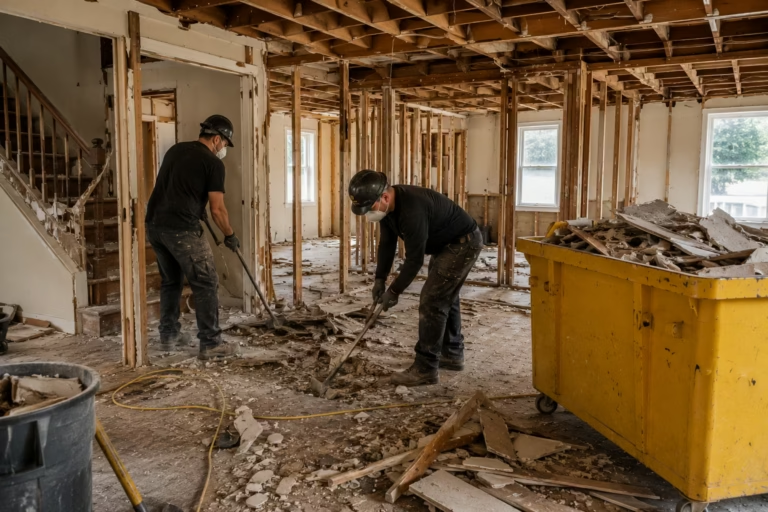
Full gut demolition, sometimes called a residential interior strip-out, involves removing most or all interior finishes while keeping the main structure of the house in place. It is different from full structural demolition, where the entire building may be removed. In a gut renovation, the shell, framing, foundation, roof structure, or selected building systems may remain, depending on the project plan.
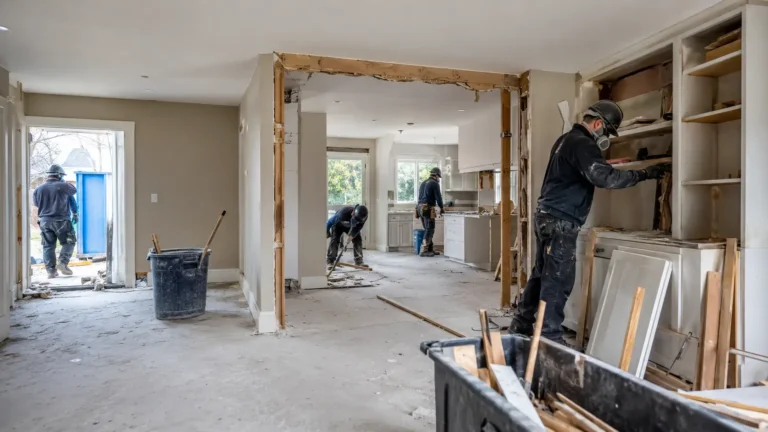
The scope can vary by home. Some projects involve gutting one floor. Others involve stripping the entire house down to framing. A contractor may remove kitchens, bathrooms, flooring, drywall, ceilings, closets, basement finishes, interior partitions, or built-in materials so the renovation team can start from a more open and visible condition.
This type of demolition is common when a home is outdated, damaged, poorly laid out, or being prepared for a major remodel. It can also be useful when contractors need access to hidden systems behind walls, under floors, or above ceilings.
When Does a Home Need Gut Demolition?
A home may need gut demolition when surface-level updates are not enough. Painting, new flooring, or cabinet replacement may work for a light refresh, but larger renovations often require deeper removal before rebuilding can begin.
Gut demolition may be appropriate for older homes with outdated layouts, homes being prepared for open-concept living, properties with damaged interiors, houses undergoing full kitchen and bathroom redesigns, basement redevelopment projects, major restoration work, or properties being upgraded before resale or long-term occupancy.
It may also be needed when hidden issues are suspected. Once old finishes are removed, contractors can inspect framing, subfloors, insulation, moisture damage, previous renovation work, outdated wiring routes, plumbing access, and other building conditions that may affect the renovation.
For renovation contractors, this early visibility is valuable. It allows the team to confirm what they are working with before investing time and materials into the rebuild.
Full Gut Demolition vs. Selective Interior Demolition
Full gut demolition and selective interior demolition are related, but they are not the same. Selective demolition removes specific areas or materials. Full gut demolition removes a broader portion of the interior so the home can be substantially rebuilt.
For example, removing one bathroom, one kitchen, or one basement wall is selective demolition. Removing all drywall, flooring, cabinetry, ceilings, fixtures, and non-structural partitions throughout the home is closer to a full gut demolition.
The right approach depends on the renovation goal. If the homeowner wants to preserve most finishes and update only one area, selective demolition may be enough. If the home needs a major layout change, full mechanical upgrades, extensive repairs, or a complete design reset, gut demolition may be the better starting point.
Rocky Demolition & Asbestos Removal provides residential demolition services for projects that require controlled removal, site preparation, debris handling, and renovation support.
Common Areas Removed During a Residential Gut Renovation
Each home has a different demolition scope, but full gut renovation projects often involve multiple rooms and material types. A clear scope should be confirmed before work begins so the demolition crew knows what should be removed, what should remain, and what requires protection.
Kitchens
Kitchen gut demolition may include cabinet removal, countertop removal, backsplash removal, flooring removal, drywall removal, ceiling work, appliance disconnection coordination, and fixture removal. Since kitchens often contain plumbing, electrical, ventilation, and older flooring materials, demolition should be planned carefully before the rebuild begins.
Bathrooms
Bathroom demolition can involve removing vanities, tubs, showers, tile, flooring, drywall, ceiling materials, fixtures, and damaged finishes. Bathrooms are often small spaces with multiple systems inside the walls and floors, so controlled removal is important.
Basements
Basement gut demolition may include removing old drywall, flooring, ceiling panels, insulation, storage rooms, outdated finishes, and moisture-affected materials. Basements can also contain older pipes, ducts, insulation, or materials that should be assessed before demolition begins.
Living Areas and Bedrooms
Living rooms, bedrooms, hallways, and stair areas may require removal of flooring, drywall, trim, closets, doors, ceiling textures, or non-load-bearing walls. These areas often determine the flow and layout of the future renovation.
Garages and Utility Areas
Garages, laundry rooms, and mechanical spaces may require demolition before upgrades, conversions, or repairs. These areas may contain utility connections, insulation, wallboard, storage systems, or older materials that need proper handling.
Why Planning Matters Before Gutting a House
Gutting a home without a plan can create unnecessary problems. A full interior demolition affects access, dust, debris movement, utilities, disposal, safety, and the next phase of construction. Before work begins, the project team should confirm the demolition scope, renovation drawings, site access, debris removal method, and any materials that need assessment.
Planning helps prevent accidental removal of materials that should stay. It also protects important building components, such as structural framing, subfloors, stairs, exterior walls, mechanical systems, electrical panels, plumbing lines, and fire-rated assemblies where applicable.
Good planning also helps contractors schedule the next trade. If framing, plumbing, or electrical work is booked immediately after demolition, the site must be cleaned and ready. A messy or incomplete demolition phase can push the whole project behind.
Hazardous Material Assessment Before Interior Removal
Older homes may contain suspect materials that should be assessed before demolition begins. This is especially important when the project involves removing drywall, flooring, ceiling texture, insulation, pipe wrap, adhesives, plaster, or old wall and floor assemblies.
Asbestos-containing materials are not always obvious by appearance. If suspect materials will be disturbed, testing should happen before removal work starts. This helps the homeowner and contractor understand whether asbestos abatement is required before general demolition continues.
Hazardous material planning is not limited to full structural demolition. It can also apply to home renovation demolition, flooring removal, ceiling removal, wall removal, bathroom renovations, kitchen renovations, and basement gut-outs. If asbestos, mold, or other site-specific concerns are present, the sequence should be adjusted before crews begin cutting, breaking, or removing materials.
Rocky Demolition & Asbestos Removal provides asbestos removal, asbestos testing, demolition, deconstruction, mold removal, cleanup, and disposal support for renovation projects where interior demolition and hazardous material planning overlap.
How Gut Demolition Supports Better Renovation Design
A full interior strip-out gives homeowners, designers, builders, and contractors a clearer view of the property. Once old materials are removed, the renovation team can see the actual structure, layout limitations, rough openings, framing conditions, subfloor condition, ceiling height, and system pathways.
This visibility can support better decision-making. For example, a contractor may discover that a wall cannot be removed as planned without additional structural review. A plumber may find that drain locations need adjustment. An electrician may identify outdated wiring routes. A builder may confirm where new framing or insulation work is needed.
Without gut demolition, many of these conditions stay hidden until later. That can lead to change orders, delays, or redesign work after construction has already started. A controlled gut demolition can make the renovation more transparent before major rebuilding begins.
Debris Removal During a Full Interior Strip-Out
Full gut demolition creates a large amount of debris. Drywall, flooring, cabinets, doors, trim, insulation, fixtures, ceiling materials, wood, tile, and general construction waste may all need to be removed from the home. If debris is not managed properly, the job site can quickly become unsafe and inefficient.
Professional debris removal helps keep the renovation moving. Crews need clear walkways, accessible rooms, and open work areas. If debris blocks access, every trade after demolition loses time. A clean site also makes it easier for the contractor to inspect the home and confirm what remains to be done.
On some projects, debris removal happens in phases. Materials may be cleared room by room or floor by floor. On other projects, the demolition crew may complete the strip-out and then perform a larger cleanup before the next trade begins. The best approach depends on the size of the home, the access conditions, and the renovation schedule.
Protecting the Structure and Remaining Materials
Full gut demolition does not mean everything is destroyed without control. In most renovation projects, important parts of the home need to remain intact. These may include exterior walls, structural framing, stairs, foundation elements, roof structure, windows, doors, mechanical equipment, or utility connections.
A professional demolition crew works with the renovation plan to remove interior materials while avoiding unnecessary damage. This is especially important when the homeowner wants to preserve certain features or when the contractor needs to protect base building components for the rebuild.
Protection planning may include marking materials that stay, isolating work areas, protecting floors or pathways, coordinating utility shutoffs, and confirming which areas are included in the demolition scope. The clearer the instructions, the smoother the demolition process.
Why Contractors Benefit From Professional Gut Demolition
Renovation contractors benefit from professional gut demolition because it creates a cleaner starting point for the rebuild. Instead of assigning their skilled trades to remove old materials, contractors can bring in a demolition team that focuses specifically on removal, debris handling, and site preparation.
This helps keep construction labour focused on its proper scope. Electricians should not have to spend time clearing piles of drywall. Framers should not have to work around old cabinets and debris. Flooring installers should not have to wait for demolition waste to be removed. A prepared site makes every trade more efficient.
Professional demolition support is also useful when timelines are tight. If a contractor has already scheduled rough-ins, inspections, or material deliveries, the demolition phase needs to be completed on time and with enough cleanup for the next stage to begin.
How Homeowners Can Prepare for Gut Demolition
Homeowners can make gut demolition easier by preparing the property before crews arrive. This may include removing personal belongings, clearing furniture, confirming parking access, identifying any items that should be saved, and communicating with the renovation contractor about work areas.
If the home is occupied, planning becomes even more important. The project team should confirm which areas will be active, whether temporary protection is needed, how debris will leave the home, and whether utilities need to be shut off or isolated. For major gut renovations, homeowners may need to arrange temporary living plans depending on the scale of work.
Homeowners should also share information about previous renovations, water damage, mold concerns, older flooring, ceiling texture, insulation, or materials they are unsure about. These details can help the contractor decide whether additional assessment is needed before demolition starts.
Do You Need Asbestos Testing Before Full Gut Demolition?
You may need asbestos testing before full gut demolition if the home contains older or suspect materials that will be disturbed during renovation. This can include drywall compound, vinyl flooring, ceiling texture, insulation, pipe wrap, adhesives, plaster, or other building materials. Testing should happen before removal work begins so asbestos abatement can be planned safely if needed.
This step is especially important for older homes because full gut demolition can disturb many materials at once. If hazardous materials are discovered after work begins, the project may need to stop while the issue is assessed and addressed. Early testing helps reduce that risk and gives the homeowner and contractor a clearer renovation plan.
Gut Demolition After Water, Fire, or Mold Damage
Full or partial gut demolition may also be required after property damage. Water damage, fire damage, smoke damage, mold growth, or long-term moisture issues can affect drywall, insulation, flooring, cabinets, ceilings, and framing-adjacent materials. Restoration contractors may need damaged interiors removed before drying, remediation, or rebuilding can continue.
In these cases, demolition must be coordinated with the restoration plan. Removing affected materials helps expose the areas that need treatment or repair, but the work should be done carefully so contamination, debris, or damaged materials are handled properly.
Rocky Demolition also provides mold removal support through its service offering. For renovation projects connected to mold concerns, homeowners and contractors can review Rocky’s mold removal services as part of broader site preparation.
What Is Included in a Residential Gut Demolition Plan?
A proper gut demolition plan should identify the rooms included, materials being removed, materials being protected, access points, debris routes, disposal method, safety concerns, and cleanup expectations. It should also confirm whether asbestos testing, mold review, or other site assessment is needed before work begins.
The plan should be clear enough that the demolition crew, renovation contractor, homeowner, and other trades understand the sequence. If the kitchen is being removed first, that should be defined. If the basement must be cleared before upstairs work begins, that should be scheduled. If certain materials need to be saved or protected, they should be marked or communicated before demolition starts.
This level of planning reduces confusion and helps prevent avoidable damage. It also helps the renovation contractor prepare for the next phase with better information about the actual condition of the home.
How Long Does Residential Gut Demolition Take?
The timeline for residential gut demolition depends on the size of the home, the number of rooms, access conditions, material types, debris volume, hazardous material requirements, and the level of cleanup needed afterward. A smaller partial gut may be completed faster, while a full-home interior strip-out may require more planning and staged debris removal.
Contractors should avoid estimating timing based only on square footage. A small older home with layered flooring, plaster, tight access, and asbestos concerns can be more complicated than a larger open home with newer materials. The best timeline comes from a site assessment and a defined removal scope.
For homeowners, the key is to plan demolition as part of the full renovation schedule. Gut demolition should not be treated as a minor first step. It sets the conditions for the entire project that follows.
Common Mistakes During Home Gut Demolition
One common mistake is starting demolition before confirming the full renovation scope. If the layout, materials, and protected areas are not defined, crews may remove too much, too little, or the wrong materials. This creates avoidable repair work and project confusion.
Another mistake is ignoring hazardous material concerns. Older homes may contain asbestos or other materials that require assessment before disturbance. Waiting until demolition has already started can create delays and additional cleanup requirements.
A third mistake is underestimating debris. Full gut demolition produces more waste than many homeowners expect. Without proper debris removal, the site can become congested quickly. This slows down the project and makes the home harder to inspect.
Finally, some projects fail to plan the handoff to the next trade. Demolition should end with a site that is ready for construction, not a site filled with leftover debris and unclear conditions.
Residential Gut Demolition Checklist
- Confirm the renovation scope and future layout.
- Identify which rooms and materials will be removed.
- Mark anything that should remain or be protected.
- Review the home’s age and renovation history.
- Arrange asbestos testing before disturbing suspect materials.
- Plan debris removal, bins, truck access, and cleanup.
- Coordinate utility shutoffs or trade support where needed.
- Clear furniture, personal items, and access paths before work begins.
- Schedule demolition around the next construction phase.
- Confirm the site is ready for framing, rough-ins, inspection, or rebuilding.
How Rocky Demolition Supports Residential Renovation Projects
Rocky Demolition & Asbestos Removal supports homeowners, renovation contractors, builders, restoration companies, and property managers with demolition, asbestos removal, asbestos testing, deconstruction, mold removal, cleanup, and disposal-related services.
For full gut renovation projects, this service mix is useful because interior demolition often overlaps with debris removal, site preparation, hazardous material assessment, and cleanup. A home may start as a simple renovation and then reveal asbestos concerns, mold damage, outdated materials, or hidden conditions that need professional support.
Rocky Demolition serves Burnaby, Vancouver, Richmond, Surrey, Langley, Coquitlam, Delta, New Westminster, Port Moody, Abbotsford, and nearby BC communities. Homeowners and contractors can review Rocky’s service areas to confirm coverage for their project location.
Prepare Your Home for a Cleaner Renovation Start
A major renovation depends on the condition of the site before construction begins. When the old interior is removed carefully, the renovation team can see the real structure, plan repairs more accurately, and move into the rebuild with fewer obstacles.
Full gut demolition gives homeowners and contractors a cleaner foundation for kitchen remodels, bathroom upgrades, basement renovations, layout changes, restoration work, and whole-home transformations. With the right demolition partner, the process can be safer, more organized, and better aligned with the overall renovation schedule.
If you are planning a full gut demolition for residential renovations in Burnaby, Vancouver, or a nearby BC community, contact Rocky Demolition & Asbestos Removal through the contact page to discuss demolition, asbestos testing, asbestos removal, debris cleanup, and site preparation support.