Hazardous Material Removal Before Renovation Planning
Hazardous material removal before renovation is an important step when older building materials may be disturbed during demolition, remodeling, restoration, or interior upgrades. Before walls are opened, flooring is removed, ceilings are scraped, or insulation is disturbed, homeowners and contractors should understand whether asbestos, mold-affected materials, lead-based coatings, or other suspect materials may be present.
Renovation work often creates dust, debris, exposed surfaces, and hidden building conditions. If hazardous materials are disturbed without proper assessment, the project can face safety concerns, cleanup problems, disposal complications, and avoidable delays. A safer renovation starts with identifying risk before work begins.
For contractors and property owners in Burnaby, Vancouver, Richmond, Coquitlam, Surrey, Langley, and nearby BC communities, early hazardous material planning can help keep the project organized from demolition through rebuild.
Why Hazardous Materials Matter Before Renovation
Many older homes and commercial buildings contain materials that were common in previous construction practices. These materials may remain stable when left undisturbed, but renovation changes the conditions. Cutting, breaking, sanding, drilling, removing, or demolishing materials can release dust or expose contamination that was previously hidden.
This is why hazardous material review should happen before renovation demolition begins. The issue is not only whether a building contains suspect materials. The key question is whether the renovation scope will disturb those materials.
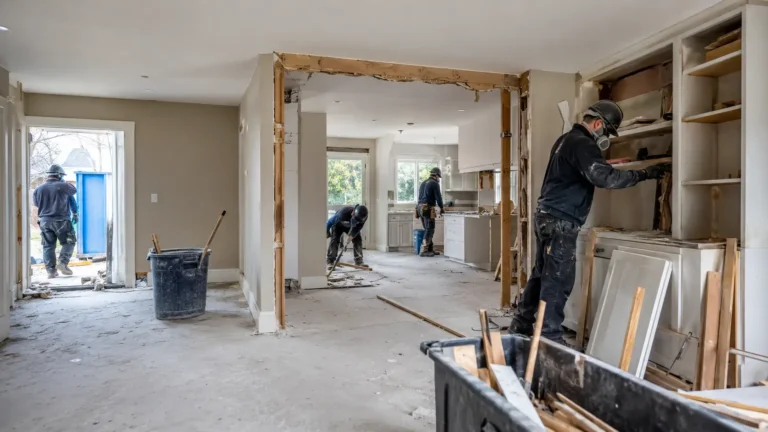
For example, a kitchen renovation may disturb old flooring adhesive, drywall compound, ceiling texture, or pipe insulation. A basement renovation may expose insulation, mold-affected materials, or older wall assemblies. A commercial tenant improvement may involve ceiling removal, wall demolition, flooring removal, and mechanical access. Each of these scopes can create risk if hazardous materials are not considered early.
Common Hazardous Materials Found in Older Buildings
Hazardous materials can vary by building age, renovation history, construction type, and previous damage. Some materials are visible, while others may be hidden behind finishes, under flooring, above ceilings, or inside mechanical spaces.
Common materials that may require testing or professional assessment include asbestos-containing drywall compound, textured ceilings, vinyl floor tiles, sheet flooring, flooring adhesives, pipe insulation, duct insulation, attic insulation, plaster, cement board, siding, roofing materials, old mastics, mold-affected drywall, moisture-damaged insulation, and lead-based coatings.
It is not possible to confirm asbestos or other regulated materials by appearance alone. A material may look ordinary and still require testing if it will be disturbed. This is why pre-renovation assessment matters, especially when working in older residential or commercial spaces.
When Should You Arrange Hazardous Material Testing?
Testing should be considered before renovation begins when the project will disturb older or suspect materials. This includes drywall removal, flooring removal, ceiling removal, insulation removal, wall openings, pipe access, demolition, restoration work, or full interior strip-outs.
Testing is especially important before contractors arrive on site. Electricians, plumbers, HVAC technicians, framers, flooring installers, drywall crews, and restoration workers all need safe access to the work area. If the site contains unknown hazards, those trades may not be able to proceed safely or efficiently.
Early testing helps answer practical questions. What materials are present? Which rooms are affected? Is asbestos removal needed? Does mold remediation need to happen before reconstruction? What disposal method is required? Can general demolition begin, or does abatement need to happen first?
Rocky Demolition & Asbestos Removal provides asbestos testing and inspection services for Burnaby homes and businesses where renovation or demolition may disturb suspect materials.
Asbestos Removal Before Renovation
Asbestos is one of the most important hazardous materials to consider before renovation. It may be present in older drywall compound, ceiling texture, vinyl flooring, sheet flooring, adhesives, pipe wrap, insulation, siding, cement materials, or other building products.
Asbestos becomes a concern when asbestos-containing materials are disturbed. Renovation activities such as cutting, breaking, scraping, removing, drilling, sanding, or demolishing can create exposure risk if the materials contain asbestos.
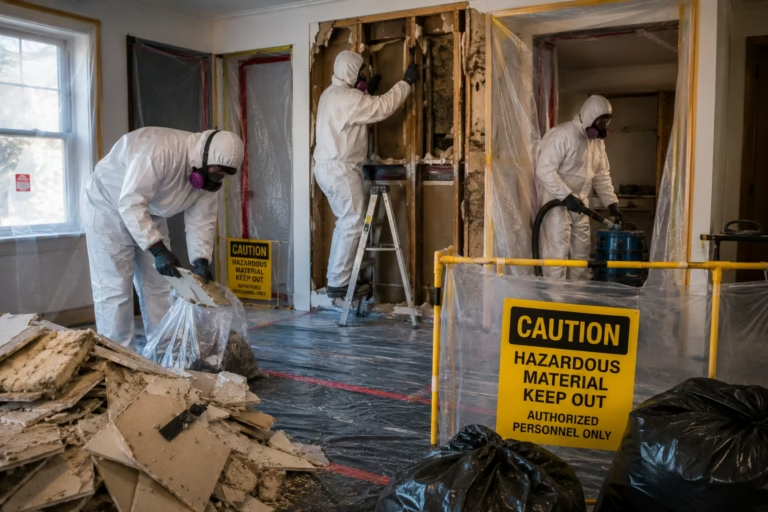
If asbestos is confirmed, removal should happen before general renovation demolition proceeds. This sequencing matters because standard demolition methods are not appropriate for asbestos-containing materials. Proper abatement may involve containment, protective procedures, controlled removal, specialized disposal, and site preparation before other trades continue.
For homeowners and contractors, asbestos planning can prevent mid-project shutdowns. It is easier to test and plan removal before work begins than to stop the project after suspect materials have already been disturbed.
Mold Removal Before Renovation
Mold can become a renovation concern when materials have been affected by moisture, leaks, flooding, poor ventilation, or long-term humidity. Mold-affected drywall, insulation, flooring, cabinetry, framing-adjacent materials, and ceiling areas may need professional attention before rebuilding begins.
Renovation can reveal mold hidden behind walls, under floors, inside cabinets, or near plumbing and exterior walls. If mold-affected materials are ignored, the renovation may cover over a problem instead of resolving it. This can create ongoing odour, indoor air quality concerns, or future material damage.
Mold removal before renovation helps create a cleaner starting point for repairs. The affected materials can be removed, the moisture source can be reviewed, and the renovation team can rebuild with better confidence in the site conditions.
For projects where mold is part of the site condition, Rocky Demolition offers mold removal services in Vancouver and Burnaby as part of broader remediation and site preparation support.
Lead Paint and Other Suspect Materials
Lead-based coatings and other suspect materials may also be relevant during renovation, especially in older buildings. Paint, coatings, adhesives, sealants, and specialty materials can create concerns when they are sanded, scraped, demolished, or removed without proper planning.
Not every renovation project will require the same level of testing, but contractors should be alert when older finishes are being disturbed. If the scope includes sanding old painted surfaces, removing older trim, opening walls, or stripping layers of historical finishes, additional assessment may be appropriate.
The safest approach is to avoid assumptions. If a material is unknown and will be disturbed, it should be reviewed before aggressive removal begins. This protects workers, occupants, neighbouring spaces, and the renovation schedule.
Hazardous Material Removal and Demolition Sequencing
Hazardous material removal should usually happen before general demolition begins. This is because demolition can spread dust and debris through the work area quickly. If hazardous materials are mixed into standard construction waste, the cleanup and disposal process becomes more complicated.
A better sequence starts with the renovation scope. The homeowner or contractor identifies which rooms, surfaces, and systems will be affected. Testing or assessment is completed for suspect materials. If hazardous materials are confirmed, removal or remediation is scheduled before general demolition. Once the area is addressed, the demolition crew can continue with a clearer work zone.
This sequence helps reduce uncertainty. It also helps the general contractor schedule trades more accurately. Flooring installers, drywall crews, plumbers, electricians, and framers can work more efficiently when hazardous material concerns have already been handled.
If renovation demolition is part of the project, Rocky Demolition provides demolition services in Burnaby and Vancouver for residential and commercial projects that need controlled removal, debris handling, and site preparation.
Residential Renovation Projects That Need Extra Review
Residential renovations can disturb many older materials, especially when the project involves more than cosmetic updates. Homeowners should consider hazardous material planning before removing drywall, flooring, ceilings, insulation, cabinets, or interior walls.
Kitchen Renovations
Kitchen renovations may involve cabinet removal, flooring removal, backsplash removal, wall openings, plumbing changes, electrical upgrades, and ceiling work. Older kitchens may contain suspect flooring, adhesives, drywall compound, or hidden materials behind cabinets and walls.
Bathroom Renovations
Bathroom projects can disturb wallboard, tile backing, flooring, pipe access areas, ceiling materials, and moisture-affected finishes. Because bathrooms are small and often contain plumbing penetrations, demolition should be planned before dust and debris are created.
Basement Renovations
Basements may contain old drywall compound, flooring materials, pipe insulation, duct materials, ceiling panels, or mold-affected materials. A basement renovation often opens large areas at once, making pre-renovation assessment especially useful.
Whole-Home Renovations
Full interior renovations or gut demolition projects can disturb many materials in a short period. Testing and hazardous material review should happen before broad removal begins so the project can be sequenced correctly.
Commercial Renovation Projects That Need Hazardous Material Planning
Commercial renovations can involve offices, retail units, restaurants, warehouses, medical spaces, industrial units, and multi-tenant buildings. These projects often have more coordination requirements than residential work because other tenants, customers, building managers, or trades may be nearby.
A commercial interior demolition project may disturb flooring, walls, ceilings, insulation, mechanical areas, washroom finishes, pipe wrap, adhesives, and old coatings. If hazardous materials are present, the project can affect not only the renovation unit but also shared corridors, elevators, loading zones, and neighbouring spaces.
Commercial contractors should consider hazardous material assessment early in the planning process. This helps avoid delays once tenant improvement work, restoration, or interior strip-out begins. It also helps property managers and general contractors maintain better control over access and scheduling.
What Happens If Hazardous Materials Are Found?
If hazardous materials are confirmed, the next step is to define the removal or remediation scope. The approach depends on the material, location, condition, quantity, and how the renovation will disturb it.
For asbestos-containing materials, the project may require professional abatement before general demolition continues. For mold-affected materials, remediation may be needed before repair and reconstruction. For other suspect materials, the contractor may need additional assessment or specialized handling depending on the site condition.
Once the hazardous material work is completed, the site can transition into demolition, cleanup, or rebuilding. This transition should be planned carefully so trades know when the area is ready and what work can proceed next.
Clear communication is important. Homeowners, general contractors, property managers, and subcontractors should all understand which areas were affected, what was removed, and when the site is ready for the next phase.
Why Contractors Should Not Skip Pre-Renovation Review
Skipping pre-renovation hazardous material review can create problems that are more difficult to manage later. If suspect materials are disturbed before testing, the project may need to stop while the area is assessed. This can affect trades, timelines, client expectations, and site access.
For contractors, early review is a project management tool. It helps define the scope before crews arrive, reduces uncertainty, and allows hazardous material removal to be scheduled before general demolition. It also shows the client that the project is being managed carefully rather than rushed into removal work.
For homeowners, early review provides clarity. Instead of wondering whether old materials are safe to disturb, they can make decisions based on testing, assessment, and a practical removal plan.
How Hazardous Material Removal Supports Project Scheduling
Renovation schedules depend on sequence. Demolition usually comes before framing, plumbing, electrical, HVAC, drywall, flooring, millwork, and finishing. If hazardous materials are discovered after demolition starts, every phase after demolition can be affected.
By completing assessment and removal early, the project team can build a more reliable schedule. The demolition crew knows when to start. Trades know when the work area will be ready. The general contractor can coordinate inspections, material deliveries, and labour with less uncertainty.
This is especially important for commercial renovations and major residential projects. Delays can affect lease dates, tenant openings, homeowner occupancy, restoration deadlines, and contractor availability. Hazardous material planning helps reduce those disruptions.
Debris Disposal and Cleanup After Removal
Hazardous material removal is connected to disposal and cleanup. Materials that require specialized handling should not be mixed with general renovation debris. Once removal or remediation is complete, the site may still need construction debris cleared before the next trade can begin.
Professional cleanup helps prepare the site for demolition, framing, repairs, or finishing. This may include clearing non-hazardous debris, organizing waste areas, removing leftover materials, and making work areas accessible for contractors.
On larger projects, disposal and cleanup should be discussed before removal begins. The team should understand how materials will leave the site, where bins or trucks can access the property, and how work areas will be prepared once removal is complete.
Rocky Demolition provides demolition, asbestos removal, asbestos testing, mold removal, cleanup, and disposal support for projects where multiple site preparation needs are connected.
What Property Owners Should Ask Before Renovation Starts
Before starting renovation work, property owners should ask practical questions about the building and the scope. These questions help identify whether testing or removal may be needed before demolition begins.
- How old is the building?
- Which rooms and materials will be disturbed?
- Will drywall, flooring, ceilings, insulation, or pipe wrap be removed?
- Has the property had water damage, mold issues, or previous restoration work?
- Are there older finishes, adhesives, or textured materials?
- Will multiple trades be working in the space after demolition?
- Has asbestos testing or hazardous material review already been completed?
- What cleanup and disposal will be needed before rebuilding?
These questions do not replace professional testing, but they help homeowners and contractors decide when assessment should be arranged.
Do You Need Hazardous Material Removal Before Renovation?
You may need hazardous material removal before renovation if asbestos, mold-affected materials, lead-based coatings, or other suspect materials will be disturbed by the work. Testing and assessment should happen before demolition begins so removal, containment, disposal, and cleanup can be planned safely.
This is most important in older homes, older commercial spaces, restoration projects, full interior renovations, flooring removal, ceiling removal, basement renovations, and tenant improvement projects.
Hazardous Material Removal Checklist Before Renovation
- Confirm the renovation scope before demolition begins.
- Identify materials that will be disturbed.
- Review the building age and renovation history.
- Arrange testing for suspect asbestos-containing materials.
- Check for mold concerns where moisture or water damage is present.
- Plan hazardous material removal before general demolition.
- Coordinate removal with the contractor and upcoming trades.
- Confirm disposal and cleanup requirements.
- Prepare the site for demolition, repair, or rebuilding.
- Keep communication clear between the owner, contractor, and removal team.
Local Hazardous Material Support for Renovation Projects
Rocky Demolition & Asbestos Removal supports homeowners, contractors, restoration companies, builders, and property managers with asbestos removal, asbestos testing, mold removal, demolition, deconstruction, cleanup, and disposal-related services.
This service mix is useful because renovation projects often reveal more than one site preparation issue. A homeowner may start with flooring removal and discover asbestos concerns. A contractor may open a wall and find mold-affected materials. A property manager may need a commercial unit cleared, tested, and prepared for tenant improvements.
Rocky Demolition serves Burnaby, Vancouver, Richmond, Surrey, Langley, Coquitlam, Delta, New Westminster, Port Moody, Abbotsford, and nearby BC communities. Property owners and contractors can review Rocky’s service areas to confirm local coverage.
Start Renovation With a Safer Site
A successful renovation starts before demolition begins. By identifying hazardous materials early, property owners and contractors can protect the schedule, reduce uncertainty, and prepare the site for safer construction work.
Hazardous material removal is not just a technical step. It supports the entire renovation sequence by helping the project move from assessment to removal, cleanup, demolition, and rebuilding with fewer preventable interruptions.
If you are planning hazardous material removal before renovation in Burnaby, Vancouver, or a nearby BC community, contact Rocky Demolition & Asbestos Removal through the contact page to discuss asbestos testing, asbestos removal, mold removal, demolition, cleanup, and site preparation support.