Controlled Interior Removal for Business Renovation Projects
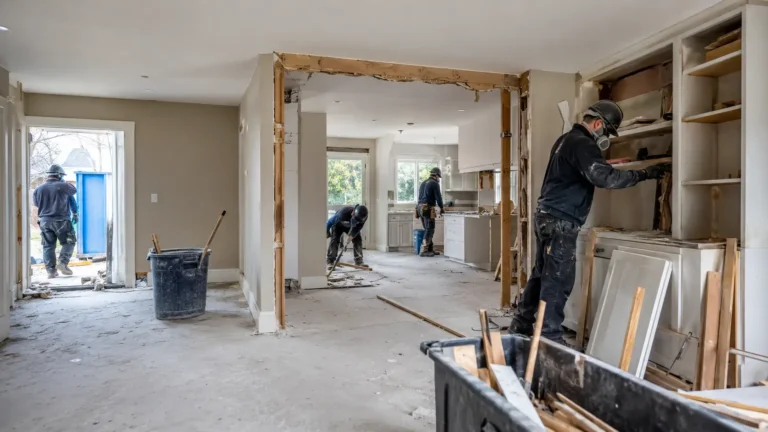
Selective demolition for commercial renovations is the controlled removal of specific interior materials while protecting the structure, building systems, shared areas, and finishes that need to remain. It is commonly used before tenant improvements, office upgrades, retail remodels, restaurant renovations, restoration work, and commercial space reconfiguration.
Unlike full demolition, selective demolition focuses on precision. The goal is not to tear everything out. The goal is to remove only the materials included in the renovation scope so the next phase of construction can begin with fewer obstacles, less damage, and better site control.
For contractors, landlords, property managers, and business owners in Burnaby, Vancouver, Richmond, Surrey, Coquitlam, Langley, and nearby BC communities, a well-managed selective demolition plan can help reduce project delays, improve access for trades, and prepare the space for renovation more efficiently.
What Is Selective Demolition?
Selective demolition is the process of removing chosen building components without demolishing the entire structure or disturbing areas outside the project scope. In a commercial renovation, this can include removing drywall partitions, flooring, ceiling systems, doors, frames, cabinetry, fixtures, millwork, non-load-bearing walls, washroom finishes, shelving, built-ins, and outdated interior materials.
The work is usually performed inside an existing commercial space that will be renovated, leased, restored, or converted for a new use. The base building may remain in place while the interior is stripped back to a condition that allows new construction to proceed.
This type of demolition requires a different mindset than full teardown work. Crews must understand what should be removed, what should remain, which systems need protection, and how debris will move through the building without creating unnecessary disruption.
Why Commercial Renovations Need Controlled Demolition
Commercial renovation projects often involve active buildings, shared corridors, neighbouring tenants, loading restrictions, elevators, building managers, and tight project schedules. A careless demolition approach can damage materials that were supposed to remain, disturb building systems, create dust issues, block access, or delay other trades.
Controlled demolition helps reduce those risks. The demolition crew works from a defined scope and removes materials in a planned sequence. This makes it easier for the general contractor to schedule framing, mechanical work, electrical work, plumbing, drywall, flooring, painting, millwork, and inspections.
For property managers and landlords, selective demolition can also help prepare a unit for the next tenant without unnecessary damage to the building. For business owners, it helps clear the way for a new layout, updated finishes, or improved operational flow.
Common Commercial Projects That Require Selective Demolition
Selective demolition is used across many commercial settings. The scope depends on the existing condition of the space, the future layout, and the renovation timeline.
Office Renovations
Office renovation demolition may involve removing private office partitions, meeting room walls, carpet, ceiling tiles, outdated millwork, reception counters, doors, frames, and non-structural interior elements. The goal may be to create an open workspace, add meeting rooms, modernize finishes, or prepare the floor for a new tenant.
Retail Store Remodels
Retail renovations often require removal of display walls, counters, shelving, flooring, fitting rooms, signage backing, storage areas, and old finishes. These projects often run on tight timelines because landlords and tenants may be working toward a reopening date or lease deadline.
Restaurant and Hospitality Renovations
Restaurant renovations may require selective removal of seating areas, counters, washroom finishes, floor materials, wall finishes, kitchen-adjacent materials, and ceiling systems. These sites often need extra coordination because plumbing, ventilation, grease-related systems, and electrical work may affect the renovation sequence.
Medical and Professional Offices
Clinics, dental offices, salons, wellness spaces, and professional suites may require careful interior removal before equipment upgrades, layout changes, accessibility improvements, or new treatment rooms. These projects often involve specialized trades that need the site cleared and organized before installation begins.
Warehouse and Light Industrial Units
Warehouse or light industrial renovations may involve removing interior offices, storage rooms, partitions, flooring, older fixtures, and outdated operational areas. Selective demolition helps prepare the space for new equipment, workflow changes, storage improvements, or tenant turnover.
Selective Demolition for Tenant Improvements
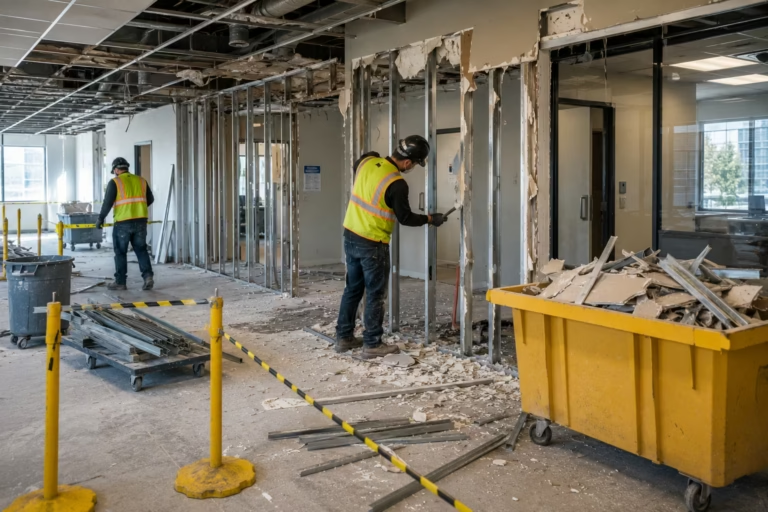
Tenant improvement projects often start with a commercial strip-out. Before a new business can build its space, the previous interior layout may need to be removed. This may include walls, flooring, ceiling systems, reception areas, washrooms, millwork, fixtures, and older finishes.
A clean strip-out gives the design and construction team a better view of the existing conditions. Once outdated materials are removed, contractors can confirm measurements, inspect exposed areas, identify hidden conditions, and prepare for rough-ins and new construction.
For landlords, selective demolition can help return a unit to a more flexible condition for leasing. For tenants, it can help create a blanker starting point for branding, layout, finishes, and business-specific improvements.
Rocky Demolition & Asbestos Removal provides demolition services in Burnaby and Vancouver for residential and commercial projects that require controlled removal, debris handling, and site preparation.
What Can Be Removed During Commercial Selective Demolition?
The materials removed during selective demolition depend on the renovation scope. A full commercial strip-out may remove most interior finishes, while a smaller selective scope may focus on one area, one wall system, one floor, or one group of fixtures.
Common removal items include drywall partitions, metal or wood framing, suspended ceiling tiles, ceiling grids, carpet, vinyl flooring, tile, laminate, baseboards, trim, cabinetry, shelving, doors, door frames, non-structural glazing, washroom finishes, counters, display fixtures, and general renovation debris.
Some elements may need to remain in place. These can include structural columns, exterior walls, fire-rated assemblies, sprinkler systems, mechanical infrastructure, electrical panels, plumbing lines, base building finishes, or shared building components. The demolition plan should clearly identify what stays and what goes before work begins.
Why Scope Clarity Matters Before Work Starts
Selective demolition requires clear instructions. If the scope is vague, the crew may remove too much, too little, or the wrong material. That can create repair costs, delays, and confusion between the property owner, general contractor, building manager, and subcontractors.
Before demolition begins, the project team should confirm the renovation drawings, removal areas, protected areas, access routes, disposal approach, and site cleanup expectations. If certain materials must be saved, reused, or left for another trade, those details should be communicated before the crew begins.
Scope clarity is especially important in commercial projects where multiple trades may be scheduled close together. A demolition crew that understands the plan can prepare the site more effectively for framing, mechanical rough-ins, electrical work, plumbing, flooring, and finishing.
Hazardous Material Planning Before Commercial Demolition
Older commercial spaces may contain materials that require assessment before demolition begins. Depending on the age and renovation history of the building, suspect materials may include asbestos-containing drywall compound, vinyl flooring, sheet flooring, ceiling texture, pipe insulation, duct insulation, flooring adhesives, mastics, or other older building products.
If these materials will be disturbed, testing should happen before demolition starts. This is particularly important in tenant improvement projects, office strip-outs, retail renovations, flooring removal, ceiling removal, and wall demolition. Once suspect materials are broken, cut, scraped, or removed, the project can become more complicated to control.
When asbestos or other regulated materials are confirmed, removal should be handled before general demolition continues. WorkSafeBC states that asbestos abatement contractors operating in British Columbia must be licensed, and anyone performing asbestos abatement work must be trained and certified. :contentReference[oaicite:1]{index=1}
Rocky Demolition provides asbestos testing and inspection services for Burnaby homes and businesses where renovation or demolition may disturb suspect materials.
How Selective Demolition Supports Construction Sequencing
Commercial renovations depend on proper sequencing. Demolition usually happens before layout changes, framing, electrical work, plumbing, HVAC adjustments, fire protection coordination, drywall installation, flooring, millwork, and finishing. If demolition is incomplete or poorly cleaned, the next trade may not be able to start on schedule.
A well-managed demolition phase gives the general contractor a cleaner starting point. Walls that need to be removed are gone. Flooring is cleared. Ceiling areas are open where needed. Debris is out of the way. Hidden conditions are easier to inspect. This supports better coordination across the entire project.
For commercial projects, sequencing can also affect lease dates, reopening schedules, tenant obligations, and building access windows. A reliable demolition process reduces uncertainty before higher-value trades arrive.
Dust, Debris, and Access Control
Selective demolition creates dust and debris even when the work is carefully planned. In commercial buildings, those materials need to be managed because neighbouring tenants, shared entrances, customers, employees, or building staff may be nearby.
Depending on the site, the demolition plan may include temporary barriers, protected pathways, floor protection, debris staging areas, scheduled loading times, or controlled removal routes. These measures help reduce disruption and keep the work area more organized.
Access control is also important. Materials may need to move through corridors, elevators, stairwells, loading docks, or rear entrances. If these routes are not planned, debris removal can interfere with building operations or slow down the project.
Debris Removal and Post-Demolition Cleanup
Selective demolition is not complete when materials are detached from walls, floors, or ceilings. The site also needs to be cleared so the next phase of renovation can begin. Debris left on site can block trades, hide remaining work, create trip hazards, and make the project feel uncontrolled.
Commercial demolition debris may include drywall, flooring, ceiling tile, metal studs, wood, insulation, millwork, fixtures, doors, trim, packaging, and general construction waste. Depending on the scope, materials may need to be sorted, loaded, hauled, or staged for disposal.
Post-demolition cleanup helps prepare the site for inspection, rough-ins, framing, flooring, finishing, or tenant improvement work. Contractors should include cleanup expectations in the demolition scope so the handoff to the next trade is clear.
For commercial projects that need removal and cleanup support, Rocky Demolition offers demolition, deconstruction, cleanup, asbestos removal, asbestos testing, and mold removal services connected to renovation and site preparation.
Selective Demolition vs. Full Interior Gut-Out
Selective demolition and full interior gut-out are related, but the scope is different. Selective demolition removes targeted materials. A full interior gut-out removes most or all interior finishes to prepare the space for a larger rebuild.
For example, removing a few partition walls, flooring in one area, or a reception desk would be selective demolition. Removing all partitions, flooring, ceilings, fixtures, and finishes throughout a commercial unit may be closer to a full strip-out or gut demolition.
The right approach depends on the renovation goal. If the project only needs layout adjustments, selective removal may be enough. If the space needs a complete redesign, full interior demolition may be more appropriate. A site review can help define the best scope before work begins.
How Property Managers Benefit From Selective Demolition
Property managers often need commercial units prepared between tenants. A space may require old finishes removed, partitions opened up, flooring stripped, or damaged materials cleared before a new leasehold improvement project begins.
Selective demolition can help property managers maintain better control over unit turnover. Instead of leaving an outdated or heavily customized interior in place, the space can be cleared to a more flexible condition for the next tenant or contractor.
This also helps identify hidden issues early. Once old materials are removed, the property manager and contractor can review the condition of walls, floors, ceilings, mechanical areas, and previous tenant improvements before new construction begins.
How General Contractors Benefit From a Demolition Partner
General contractors benefit from working with a demolition partner because it keeps removal work separate from the skilled trades that follow. Electricians, plumbers, HVAC teams, framers, drywall crews, flooring installers, and finishers should not have to spend valuable time clearing old materials or working around debris.
A demolition subcontractor can complete the removal scope, manage debris, and prepare the work area so other trades can focus on their own responsibilities. This supports better labour efficiency and helps the general contractor keep the project organized.
It also reduces project management friction. When demolition is handled by a crew that understands contractor-led work, the GC can focus on schedule, coordination, inspections, and client communication instead of constantly managing debris and removal problems.
Questions to Ask Before Hiring a Selective Demolition Contractor
Before hiring a demolition contractor for a commercial renovation, the project team should ask practical questions that define the scope and reduce uncertainty.
- What materials need to be removed?
- What materials, systems, or finishes must remain protected?
- Are there any suspect materials that require asbestos testing?
- Will the work happen during business hours or after hours?
- How will debris leave the building?
- Are there elevator, loading dock, parking, or access restrictions?
- How will dust and debris be controlled?
- What cleanup is included after demolition?
- When does the next trade need access?
- How will unexpected site conditions be communicated?
These questions help the contractor, owner, and demolition crew align before work begins. Clear expectations reduce delays once the site is active.
What Is Included in a Selective Demolition Plan?
A practical selective demolition plan should identify the work areas, materials to be removed, materials to be protected, hazard concerns, debris routes, loading access, cleanup requirements, and target completion schedule.
The plan should also consider whether building management needs notice, whether adjacent tenants may be affected, whether noisy work must be scheduled at specific times, and whether bins or trucks can access the property safely.
For larger commercial renovations, the plan may be phased. One area may be demolished first so another trade can begin while removal work continues elsewhere. For smaller spaces, the focus may be on completing the strip-out quickly and preparing the full area for renovation.
Do You Need Selective Demolition Before a Commercial Renovation?
You may need selective demolition before a commercial renovation if existing walls, flooring, ceilings, fixtures, millwork, washroom finishes, or non-structural materials must be removed before new construction begins. It is especially useful for tenant improvements, office renovations, retail remodels, restaurant upgrades, restoration projects, and commercial unit turnover.
A controlled demolition approach helps protect building systems, reduce unnecessary damage, manage debris, and prepare the site for the next phase of work.
Commercial Selective Demolition Checklist
- Confirm the renovation scope and future layout.
- Identify what should be removed and what should remain.
- Review the building age and potential hazardous material concerns.
- Arrange asbestos testing before disturbing suspect materials.
- Coordinate access with the landlord, tenant, or building manager.
- Plan debris routes, loading areas, elevators, parking, and bins.
- Protect shared areas, finished surfaces, and base building systems.
- Schedule demolition around other trades and inspection milestones.
- Include cleanup and disposal in the demolition scope.
- Confirm the site is ready before the next construction phase begins.
Local Selective Demolition Support for Commercial Projects
Rocky Demolition & Asbestos Removal works with contractors, landlords, property managers, homeowners, and commercial project teams that need demolition, asbestos removal, asbestos testing, deconstruction, mold removal, cleanup, and disposal support.
This service mix is useful because commercial renovations often involve more than simple material removal. A tenant improvement may need selective demolition and asbestos testing. A retail remodel may need fixture removal and cleanup. A restoration project may need damaged materials cleared before repairs. An older office space may need hazardous material review before interior demolition begins.
Rocky Demolition serves Burnaby, Vancouver, Richmond, Surrey, Langley, Coquitlam, Delta, New Westminster, Port Moody, Abbotsford, and nearby BC communities. Property owners and contractors can review Rocky’s service areas to confirm coverage for their project location.
Prepare Your Commercial Space for the Next Phase
Selective demolition helps commercial renovation projects start from a cleaner, safer, and more workable site. By removing outdated materials in a controlled way, contractors can protect the structure, reduce disruption, improve access, and prepare the space for new construction.
Whether the project involves an office renovation, retail remodel, restaurant upgrade, commercial strip-out, restoration project, or tenant improvement, the demolition phase should be planned carefully before work begins.
If you are planning selective demolition for commercial renovations in Burnaby, Vancouver, or a nearby BC community, contact Rocky Demolition & Asbestos Removal through the contact page to discuss demolition, asbestos testing, asbestos removal, cleanup, and site preparation support.