Moisture Damage Cleanup and Mold Control for Older Properties
Mold remediation services for older BC buildings are important when moisture damage, hidden leaks, poor ventilation, or aging materials have created conditions for mold growth. Older homes, commercial units, basements, attics, crawl spaces, and rental properties can all develop mold concerns that need to be addressed before renovation, demolition, restoration, or continued occupancy.
Mold remediation is not just surface cleaning. A proper process identifies affected areas, removes damaged or contaminated materials, controls the work area, addresses debris, and prepares the property for repair or reconstruction. When renovation work is planned, mold concerns should be reviewed early so contractors do not cover over damaged materials or disturb affected areas without a plan.
For property owners, contractors, landlords, and restoration teams in Burnaby, Vancouver, Richmond, Coquitlam, Surrey, Langley, and nearby BC communities, early mold assessment can reduce project uncertainty and help create a cleaner starting point for the next phase of work.
Why Mold Is Common in Older BC Buildings
Older BC buildings can be more vulnerable to mold because they may have aging exterior assemblies, older windows, outdated ventilation, previous water leaks, basement moisture, roof issues, plumbing problems, or renovations that changed how air moves through the property. In many cases, mold is not caused by one single issue. It develops when moisture, organic materials, and limited drying conditions overlap.
Older properties may also have hidden layers of building materials. New flooring may be installed over old flooring. New drywall may cover older wall assemblies. Basements may have been finished without proper moisture control. Attics may have ventilation problems that were never corrected. These conditions can make it harder to identify the source and extent of mold without a proper review.
Because mold can appear behind walls, under flooring, inside cabinets, around windows, in attics, or near plumbing, property owners should avoid assuming that visible staining is the full problem. A careful assessment helps determine whether removal, cleanup, drying, or further investigation is needed before repair work begins.
What Mold Remediation Actually Includes
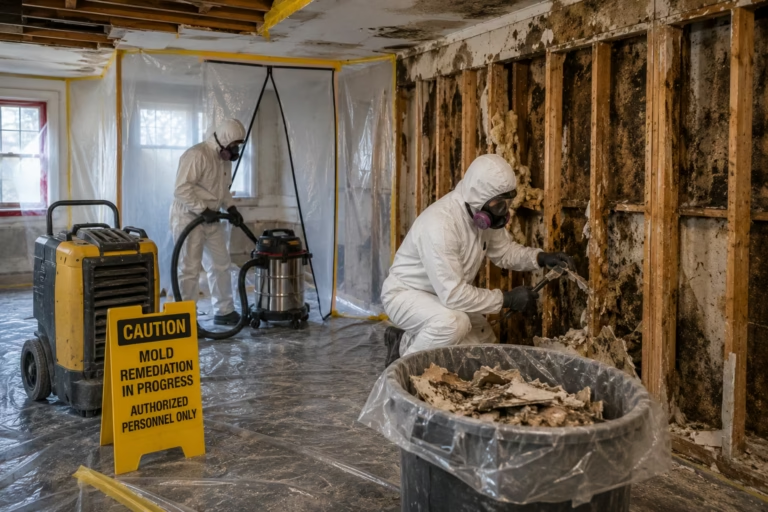
Mold remediation is the process of addressing mold-affected materials and the conditions that allowed mold to develop. The exact scope depends on the building, affected materials, moisture source, and renovation plan. A small localized issue may require limited removal and cleanup. A larger problem may involve containment, selective demolition, debris removal, drying coordination, and preparation for reconstruction.
In older buildings, remediation may involve removing affected drywall, insulation, flooring, trim, cabinetry, ceiling materials, or other porous materials that cannot be properly cleaned in place. It may also involve cleaning exposed surfaces, controlling debris movement, and preparing the site for repair.
A professional remediation plan should be practical and site-specific. The goal is to remove affected materials, prevent unnecessary spread during work, and leave the area ready for the next contractor or restoration phase.
Signs an Older Building May Need Mold Remediation
Property owners often notice mold after seeing staining, odour, moisture damage, peeling finishes, swollen baseboards, warped flooring, soft drywall, or recurring condensation. Sometimes the first sign is not visible mold but a musty smell in a basement, closet, crawl space, attic, bathroom, or poorly ventilated room.
Contractors may discover mold during renovation when walls are opened, flooring is removed, cabinets are taken out, or ceilings are disturbed. This is common in older homes and commercial spaces where previous leaks or moisture issues were hidden behind finished surfaces.
Signs that may justify professional review include water staining, black or dark spotting, recurring moisture, previous flooding, roof leaks, plumbing leaks, window condensation, damp insulation, damaged drywall, mold behind furniture, or odours that return after basic cleaning. These signs do not automatically define the full scope, but they indicate that further assessment may be needed.
Mold Removal Before Renovation
Mold removal before renovation is important because remodeling work can disturb affected materials and spread debris through the work area. If a renovation crew removes drywall, flooring, cabinets, insulation, or ceiling materials without knowing mold is present, the project can become harder to control.
Before renovation begins, the project team should identify which materials will be disturbed and whether moisture damage is present. If mold-affected materials are found, they should be addressed before general reconstruction continues. This helps avoid covering damaged materials with new finishes or forcing other trades to work in affected conditions.
For example, a basement renovation may reveal mold behind old drywall. A bathroom remodel may uncover moisture damage around a tub or shower. A kitchen renovation may expose mold behind cabinets or under flooring. A commercial tenant improvement may uncover water damage behind partitions or around mechanical areas. In each case, remediation should be integrated into the construction sequence.
Rocky Demolition & Asbestos Removal provides mold removal services in Vancouver and Burnaby for homes and businesses that need professional remediation support before repair, renovation, or site preparation work continues.
Common Areas Where Mold Appears in Older Properties
Mold can appear in many areas of an older building. The most common locations are areas with moisture, limited ventilation, previous leaks, or materials that absorbed water and did not dry properly.
Basements
Basements are common mold locations because they are below grade and often have moisture exposure from foundation seepage, poor ventilation, condensation, plumbing leaks, or old finishes. Finished basements can hide mold behind drywall, baseboards, flooring, insulation, and storage areas.
Bathrooms
Bathrooms can develop mold because of humidity, plumbing leaks, shower moisture, poor ventilation, and water-damaged materials. Older bathrooms may have hidden issues behind tile, vanities, drywall, flooring, and ceiling materials.
Kitchens
Kitchens may have mold behind cabinets, under sinks, below dishwashers, behind refrigerators, near exterior walls, or under old flooring. Renovation often exposes these areas after cabinetry and finishes are removed.
Attics
Attic mold can be connected to roof leaks, ventilation issues, bathroom fans venting improperly, condensation, or insulation problems. Attic assessment is important before major roof, ceiling, or insulation work begins.
Commercial Units
Commercial spaces may develop mold near plumbing walls, mechanical rooms, washrooms, kitchens, basements, storage rooms, or exterior walls. Older offices, retail units, restaurants, clinics, and warehouses can all require review before tenant improvements or restoration work.
Why Older Buildings Need Careful Material Review
Mold remediation in older buildings often overlaps with other material concerns. A wall assembly may contain moisture-damaged drywall and insulation. A flooring system may include old adhesive or layered materials. A ceiling area may include suspect texture, water staining, or insulation concerns. A commercial renovation may involve old partitions, mechanical spaces, and previous tenant improvements.
This matters because demolition and remediation work can disturb more than mold. In older properties, asbestos-containing materials may also be present in drywall compound, vinyl flooring, ceiling texture, pipe wrap, insulation, adhesives, or other materials. If asbestos or other regulated materials may be disturbed, testing should happen before removal work begins.
For renovation and restoration projects, a careful material review helps establish the right sequence. The team can determine whether mold remediation, asbestos testing, asbestos removal, selective demolition, or general cleanup should happen first.
Rocky Demolition also provides asbestos testing and inspection services where renovation, demolition, or remediation work may disturb suspect materials in older buildings.
Mold Remediation and Selective Demolition
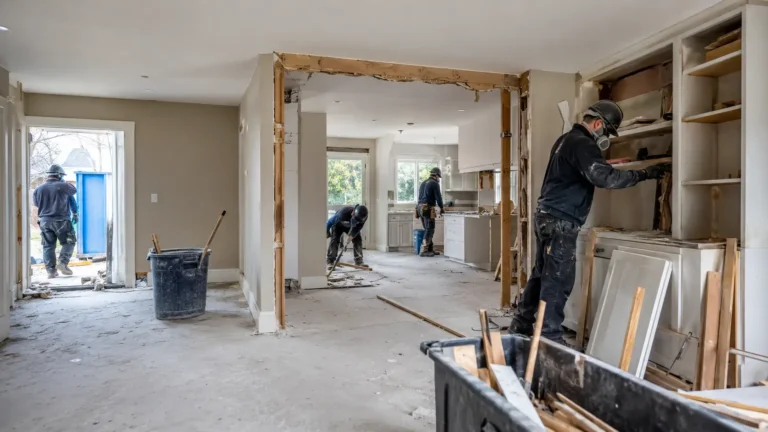
Selective demolition is often part of mold remediation. If affected materials cannot be cleaned in place, they may need to be removed. This can include drywall, insulation, flooring, trim, cabinets, ceiling sections, or other materials that were damaged by moisture.
The demolition work should be controlled. Removing affected materials too aggressively can spread dust and debris. Leaving affected materials in place can interfere with repair. The right approach depends on the extent of damage, the location of the mold, the renovation scope, and whether other hazards are present.
For contractors, this is where a remediation-focused demolition plan becomes useful. Instead of treating mold removal as ordinary tear-out work, the project can be sequenced to control the affected area, remove the right materials, manage debris, and prepare the space for restoration or rebuilding.
Commercial Mold Remediation in Older Buildings
Commercial mold remediation requires strong coordination because the property may involve tenants, employees, customers, landlords, building managers, and multiple contractors. Older commercial spaces may also have shared walls, shared ventilation, limited loading access, elevators, common corridors, and strict scheduling requirements.
Mold in a commercial property may be discovered after a leak, flood, roof issue, plumbing failure, HVAC problem, or tenant improvement demolition. Once identified, the project team should define the affected area, review material conditions, plan removal, and coordinate cleanup before the next phase of work begins.
For property managers, prompt remediation can support unit turnover and help prepare the building for repairs or leasing. For contractors, it creates a clearer site for demolition, reconstruction, or tenant improvements. For business owners, it helps address damaged materials before the space is reopened or renovated.
Residential Mold Remediation in Older Homes
Residential mold remediation often begins when homeowners notice odours, stains, moisture damage, or visible mold in basements, bathrooms, kitchens, attics, or around windows. In older homes, the issue may be hidden behind finishes installed during previous renovations.
Before starting cosmetic repairs, homeowners should understand whether the affected material needs removal. Painting over stains, replacing trim, or installing new flooring without addressing the underlying moisture and mold issue can lead to repeat problems.
Professional remediation helps create a cleaner path forward. Affected materials can be removed, debris can be controlled, and the site can be prepared for drying, repair, reconstruction, or renovation. If the work involves older materials, asbestos testing may also be needed before demolition begins.
How Mold Remediation Supports Restoration Projects
Restoration projects often involve water damage, fire response, leaks, flooding, or long-term moisture issues. Mold remediation may be needed before reconstruction if materials stayed wet long enough to become affected.
In these cases, remediation should be coordinated with the restoration plan. The affected materials may need to be removed before drying or repair work can continue. Once removal and cleanup are complete, the restoration contractor can move into rebuilding with better visibility and access.
Restoration work can also reveal hidden damage. A wall that looks minor from the outside may have moisture damage behind it. A basement floor may hide damaged underlayment. A cabinet base may conceal mold behind or beneath it. Controlled removal helps expose these conditions so they can be addressed properly.
What Happens During a Mold Remediation Project?
A mold remediation project typically starts with reviewing the affected area and identifying the likely source of moisture. The crew then determines which materials need to be removed, which surfaces need cleaning, how debris will be handled, and how the site will be prepared for repair.
Depending on the project, the work may include containment, removal of affected materials, debris bagging, disposal coordination, surface cleaning, site cleanup, and preparation for reconstruction. The exact process should be matched to the building conditions and project scope.
Once remediation work is complete, the property may still require repairs. This can include replacing drywall, insulation, flooring, cabinets, trim, or other materials. The remediation phase should leave the site cleaner, more accessible, and ready for the next contractor or restoration step.
Why Moisture Source Matters
Mold remediation should not ignore the moisture source. If the underlying leak, condensation, ventilation issue, or water entry problem remains unresolved, mold can return after repairs are completed.
Before rebuilding, the project team should consider what allowed the mold to develop. Was there a plumbing leak? Did a roof or window fail? Is there poor ventilation? Did a basement wall allow moisture in? Was there a flood or restoration event? Understanding the cause helps reduce repeat damage after the affected materials are removed.
Remediation removes affected materials and prepares the site, but long-term project success also depends on correcting the moisture condition that caused the issue.
How Contractors Can Prepare for Mold Remediation
Contractors can make mold remediation more efficient by defining the renovation or restoration scope before work begins. The remediation team should know which materials will be removed, which areas need to remain protected, where debris will exit, and what trade work is scheduled afterward.
It is also useful to share information about prior leaks, water damage, building age, previous renovations, and suspected asbestos-containing materials. This helps the project team decide whether additional testing or hazardous material review is needed before demolition begins.
For commercial projects, contractors should also coordinate with property managers about access, work hours, loading areas, shared spaces, parking, and tenant communication. Good coordination reduces disruption and helps the project move more predictably.
Do Older BC Buildings Need Mold Remediation Before Renovation?
Older BC buildings may need mold remediation before renovation if moisture-damaged or mold-affected materials will be disturbed during the work. This can include drywall, insulation, flooring, cabinets, ceiling materials, trim, or materials hidden behind finished surfaces. Remediation should happen before reconstruction so affected materials are not covered over or disturbed without a plan.
This is especially important for basements, bathrooms, kitchens, attics, crawl spaces, commercial units, and properties with previous leaks, flooding, roof issues, or poor ventilation.
Mold Remediation Checklist for Older Buildings
- Identify visible mold, staining, odours, or moisture damage.
- Review the building age, renovation history, and prior water issues.
- Determine which materials will be disturbed during renovation or demolition.
- Check whether asbestos testing is needed before removal work begins.
- Identify the likely moisture source before rebuilding.
- Plan containment, selective demolition, debris removal, and cleanup.
- Coordinate remediation with contractors and upcoming trades.
- Remove affected materials before covering the area with new finishes.
- Prepare the site for drying, repair, reconstruction, or renovation.
- Confirm that access routes and disposal logistics are clear.
Local Mold Remediation Support for BC Properties
Rocky Demolition & Asbestos Removal supports homeowners, contractors, restoration companies, property managers, landlords, and commercial project teams with mold removal, asbestos testing, asbestos removal, demolition, deconstruction, cleanup, and disposal-related services.
This service mix is useful because older buildings often require more than one type of site preparation. A mold remediation project may also involve selective demolition. A renovation may require asbestos testing before affected materials are removed. A restoration project may require cleanup and disposal before rebuilding can begin.
Rocky Demolition serves Burnaby, Vancouver, Richmond, Surrey, Langley, Coquitlam, Delta, New Westminster, Port Moody, Abbotsford, and nearby BC communities. Property owners and contractors can review Rocky’s service areas to confirm local coverage.
Prepare Older Buildings for Safer Repair and Renovation
Mold remediation helps older buildings move from damage discovery to repair with a clearer plan. By identifying affected materials, removing damaged components, controlling debris, and coordinating cleanup, property owners and contractors can prepare the site for renovation or restoration more effectively.
The best time to address mold is before new finishes are installed and before demolition spreads affected debris through the work area. A careful remediation process protects the renovation sequence and gives the next trade a cleaner, more workable site.
If you need mold remediation services for older BC buildings in Burnaby, Vancouver, or a nearby community, contact Rocky Demolition & Asbestos Removal through the contact page to discuss mold removal, asbestos testing, demolition, cleanup, and site preparation support.