Safe Asbestos Planning Before Renovation or Demolition
Asbestos abatement for contractors is a critical planning step when renovation, demolition, restoration, or tenant improvement work may disturb older building materials. Before crews remove drywall, flooring, ceilings, insulation, pipe wrap, adhesives, or wall assemblies, contractors need to understand whether asbestos-containing materials may be present and whether professional testing or removal is required.
For general contractors, asbestos is not just a hazardous material issue. It affects project sequencing, site access, worker safety, trade coordination, disposal, cleanup, and the handoff to the next construction phase. If asbestos is discovered after demolition has already started, the project may need to stop while the material is assessed and handled properly.
For contractors working in Burnaby, Vancouver, Richmond, Coquitlam, Surrey, Langley, and surrounding BC communities, early asbestos planning helps reduce uncertainty and keeps renovation or demolition projects more controlled from the start.
What Is Asbestos Abatement?
Asbestos abatement is the process of identifying, controlling, removing, handling, and disposing of asbestos-containing materials before they create a risk during renovation, demolition, restoration, or repair work. It is not the same as ordinary demolition or general cleanup. Abatement requires a controlled process because asbestos fibres can become airborne when materials are disturbed.
In contractor-led projects, abatement may be needed before drywall removal, flooring removal, ceiling work, mechanical upgrades, plumbing access, electrical rough-ins, interior demolition, commercial strip-outs, or full building demolition. The exact scope depends on the material, the building age, the renovation plan, and whether suspect materials will be disturbed.
The goal of asbestos abatement is to make the work area safer and better prepared for the next phase. Once asbestos-containing materials are properly addressed, contractors can move forward with demolition, rebuilding, restoration, or tenant improvements with fewer unknowns.
Why Contractors Need to Take Asbestos Seriously
Contractors are responsible for managing the work environment and coordinating the trades that enter the site. If asbestos-containing materials are disturbed without proper planning, the issue can affect workers, subcontractors, clients, neighbouring areas, and the project schedule.
Asbestos can be present in materials that look ordinary. Drywall compound, vinyl flooring, sheet flooring, ceiling texture, pipe insulation, duct insulation, adhesives, mastics, plaster, cement board, siding, and other older materials may require review before demolition begins. Visual inspection alone is not enough to confirm whether a material contains asbestos.
For contractors, the practical risk is project disruption. If a crew starts demolition and then discovers suspect material, the work may need to pause. Other trades may need to be rescheduled. The client may need a revised timeline. Disposal and cleanup may become more complicated. Early testing and abatement planning help prevent those avoidable problems.
When Should Contractors Arrange Asbestos Testing?
Contractors should arrange asbestos testing before renovation or demolition work begins when older or suspect materials will be disturbed. This includes removing walls, ceilings, flooring, insulation, pipe wrap, duct materials, adhesives, plaster, ceiling texture, or other building components that may contain asbestos.
Testing should happen before general demolition crews begin cutting, breaking, scraping, sanding, drilling, or removing materials. If testing confirms asbestos-containing material, the contractor can plan abatement before the site is opened to other trades.
This is especially important on older residential homes, commercial tenant improvement projects, restoration jobs, basement renovations, office strip-outs, retail remodels, restaurant renovations, and multi-unit buildings. Any project that disturbs older materials should be reviewed before work starts.
Rocky Demolition & Asbestos Removal provides asbestos testing and inspection services for Burnaby homes and businesses where renovation or demolition may disturb suspect materials.
Common Materials Contractors Should Watch For
Asbestos may be found in a wide range of older building products. Contractors should be careful when the work involves materials installed during earlier construction periods or layered under newer finishes.
Common suspect materials include drywall joint compound, textured ceilings, plaster, vinyl floor tiles, sheet flooring, flooring backing, flooring adhesives, black mastic, pipe insulation, boiler insulation, duct wrap, attic insulation, vermiculite, cement board, exterior siding, roofing materials, fireproofing materials, and older mechanical insulation.
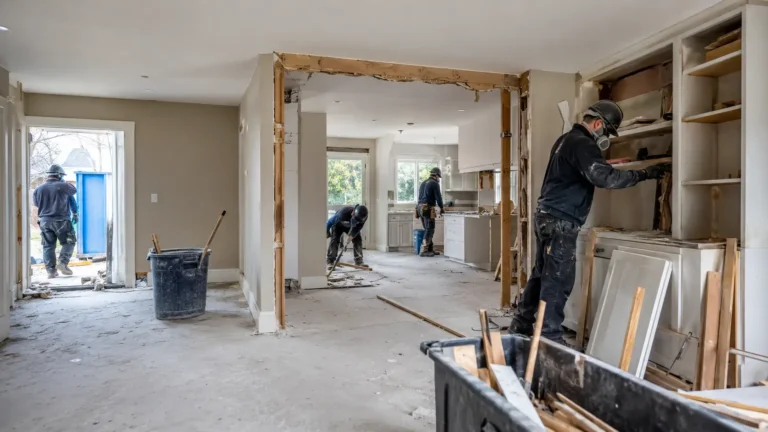
These materials are often encountered during renovation and demolition work. A kitchen renovation may disturb flooring, drywall compound, adhesives, and ceiling texture. A bathroom renovation may disturb wallboard, tile backing, old flooring, and pipe access areas. A commercial strip-out may disturb ceilings, partitions, flooring, adhesives, and mechanical spaces. A restoration job may require removal of damaged drywall, insulation, and flooring after water or fire damage.
The safest approach is simple: if suspect materials will be disturbed, confirm the material before demolition starts.
Asbestos Abatement and Project Sequencing
Asbestos abatement should be treated as part of the construction sequence, not as a separate afterthought. If abatement is needed, it usually has to happen before general demolition, framing, electrical, plumbing, HVAC, drywall, flooring, and finishing work continue in the affected area.
A good sequence starts with scope review. The contractor identifies the rooms, surfaces, and materials that will be disturbed. Testing is arranged for suspect materials. If asbestos is confirmed, abatement is scheduled before general demolition. Once the abatement scope is complete, the work area can be prepared for the next phase of construction.
This sequence protects the schedule. It gives contractors a clearer timeline, helps subcontractors understand when they can enter the site, and reduces the risk of stopping work after crews have already started.
For projects that involve demolition after abatement, Rocky Demolition provides demolition services in Burnaby and Vancouver for residential and commercial projects that need controlled removal, debris handling, and site preparation.
Why Licensing and Certification Matter in BC
Contractors should verify that asbestos abatement work is being handled by properly qualified professionals. In British Columbia, asbestos abatement contractors must be licensed to operate, and workers performing asbestos abatement work must be trained and certified. Contractors can review the current WorkSafeBC asbestos certification and licensing requirements before planning work that involves asbestos.
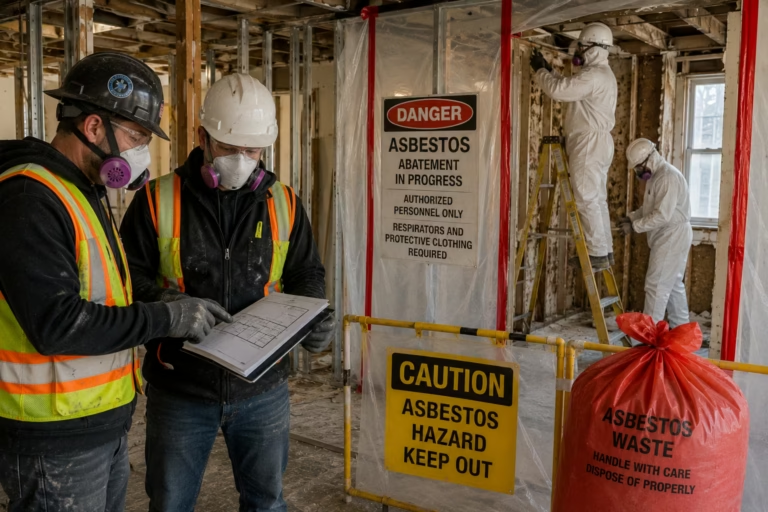
This matters because asbestos abatement is specialized work. It may require containment, protective procedures, controlled removal methods, appropriate packaging, disposal coordination, cleanup, and documentation. A general labour crew should not be treated as a substitute for qualified asbestos abatement professionals.
For general contractors, proper qualification is also a risk management issue. The subcontractors brought onto the site affect the quality, safety, and credibility of the entire project. Hiring the right abatement partner helps protect workers, clients, other trades, and the contractor’s reputation.
Residential Renovation Projects With Asbestos Risk
Residential contractors often encounter asbestos concerns during renovations in older homes. Even if the project seems straightforward, demolition can disturb materials that were hidden behind newer finishes or installed during previous renovations.
Kitchen Renovations
Kitchen projects may disturb flooring, backing materials, adhesives, drywall compound, ceiling texture, plumbing access areas, and wall finishes. If cabinets, flooring, walls, or ceilings are being removed, asbestos testing may be needed before demolition begins.
Bathroom Renovations
Bathroom renovations often involve wallboard removal, tile removal, old flooring, pipe access, ceiling fans, insulation, and moisture-damaged materials. Small rooms can create a high concentration of debris, so suspect materials should be reviewed before removal.
Basement Renovations
Basements may contain old drywall compound, pipe insulation, duct insulation, floor tiles, adhesives, ceiling panels, or insulation materials. Contractors planning basement demolition or redevelopment should evaluate suspect materials before opening large areas.
Whole-Home Gut Renovations
Full interior strip-outs can disturb many materials at once. If asbestos testing is not completed before demolition starts, the contractor may face delays across the entire renovation schedule.
Commercial Projects That Need Asbestos Planning
Commercial contractors should pay close attention to asbestos planning because commercial spaces often involve multiple trades, shared building systems, neighbouring tenants, and strict schedules. Tenant improvement projects, office renovations, retail strip-outs, restaurant remodels, warehouse conversions, and medical office upgrades can all disturb suspect materials.
Commercial spaces may contain asbestos in flooring, ceiling systems, wall materials, pipe wrap, duct insulation, adhesives, mechanical rooms, service areas, washrooms, and old tenant improvements. If these materials are disturbed without testing, the project can affect not only the work area but also common corridors, loading routes, elevators, and nearby occupied spaces.
For property managers and general contractors, early asbestos assessment supports better planning. It helps determine whether the space can move directly into demolition or whether abatement is required first.
Restoration Contractors and Asbestos Abatement
Restoration contractors often work under urgent conditions after water damage, fire damage, storm damage, or mold-related issues. In older buildings, damaged materials may still need asbestos assessment before removal. Speed matters in restoration, but removing suspect materials without proper review can create larger project complications.
For example, water-damaged drywall, flooring, ceiling materials, insulation, or adhesives may need testing before demolition. Fire or smoke restoration may require removal of older wall and ceiling materials. Mold remediation may involve selective demolition that disturbs drywall compound, flooring, insulation, or pipe areas.
A clear abatement plan helps restoration teams move from damage removal to drying, cleanup, repair, and rebuilding with fewer interruptions. It also helps protect other trades who enter the site after the initial response phase.
What Contractors Should Confirm Before Work Starts
Before starting renovation or demolition work, contractors should confirm whether asbestos review is required. This should happen before crews arrive, before the schedule is locked, and before trades are committed to work areas that may not be ready.
Key questions include: How old is the building? Which materials will be disturbed? Has asbestos testing been completed? Are there old flooring layers, textured ceilings, pipe wrap, or drywall compound in the work area? Will the project include demolition, sanding, scraping, drilling, or cutting? Are other trades scheduled to enter the area after demolition?
Contractors should also confirm who is responsible for testing, abatement, disposal, cleanup, and clearance for the next phase. When these responsibilities are unclear, delays and disputes become more likely.
How Asbestos Abatement Affects Other Trades
Asbestos abatement can affect every trade that follows. Electricians may need walls opened. Plumbers may need pipe access. HVAC technicians may need ceiling access. Framers may need a clean shell. Flooring installers may need old flooring removed. Drywall crews may need the site free of suspect materials before rebuilding.
If abatement is not completed at the right time, those trades may not be able to start safely or efficiently. This can create schedule conflicts, wasted labour, and pressure on the general contractor to reorganize the project.
Proper abatement sequencing gives trades a clear work area. It also reduces the chance that one subcontractor unknowingly disturbs materials that should have been tested or removed earlier.
Debris Handling and Disposal Considerations
Asbestos-containing materials require proper handling and disposal. They should not be mixed with general demolition debris. Contractors should plan how materials will be removed, packaged, transported, and disposed of before work begins.
Disposal planning matters because renovation and demolition projects can produce large volumes of waste quickly. If asbestos-containing material is mixed into general debris, the cleanup process can become more complicated. Keeping abatement waste separate from standard demolition waste supports better site control.
After abatement is complete, the site may still need general demolition cleanup before the next phase begins. This can include removing non-hazardous debris, clearing access paths, sweeping work areas, and preparing the site for trades.
Rocky Demolition & Asbestos Removal provides asbestos removal, asbestos testing, demolition, deconstruction, mold removal, cleanup, and disposal support for projects where hazardous material work and demolition planning overlap.
Common Contractor Mistakes With Asbestos
One common mistake is assuming that asbestos only matters during full building demolition. In reality, many smaller renovation scopes can disturb asbestos-containing materials. Removing flooring, opening a wall, scraping a ceiling, cutting drywall, or accessing pipe wrap can all create asbestos concerns if the material contains asbestos.
Another mistake is waiting until demolition has already started. Once suspect materials have been disturbed, the project may become harder to manage. Testing before disturbance is usually more efficient than reacting after a problem appears.
A third mistake is treating asbestos abatement as a general cleanup task. Abatement requires qualified workers, controlled procedures, and appropriate disposal. Contractors should not ask ordinary labourers or unqualified crews to handle materials that may contain asbestos.
Finally, contractors sometimes fail to communicate asbestos status to other trades. Every trade entering the affected work area needs to know whether suspect materials are present, whether abatement is complete, and whether the area is ready for their scope.
How to Coordinate With an Asbestos Abatement Subcontractor
Good coordination starts with a clear scope. The general contractor should define the rooms, materials, access points, schedule, and trade sequence. The abatement subcontractor should understand what will be disturbed and what needs to be removed before general demolition continues.
Before the abatement crew arrives, contractors should confirm access, parking, work hours, building rules, containment needs, disposal routes, and communication protocol. In commercial buildings, this may involve property managers, tenants, loading docks, elevators, or after-hours work requirements.
Contractors should also confirm the handoff point. When is the area ready for demolition? What materials remain? What cleanup has been completed? Which trades can enter next? Clear handoff communication helps prevent confusion after abatement is finished.
Do Contractors Need Asbestos Abatement Before Demolition?
Contractors may need asbestos abatement before demolition if testing confirms asbestos-containing materials will be disturbed by the work. This can include drywall compound, flooring, ceiling texture, pipe insulation, duct insulation, adhesives, plaster, or other older building materials. Testing should happen before demolition starts so removal and disposal can be planned safely.
For older homes, commercial units, restoration projects, tenant improvements, and full interior strip-outs, asbestos review should be part of the early planning process. The more materials being disturbed, the more important early testing becomes.
Asbestos Abatement Checklist for Contractors
- Review the building age and renovation history.
- Identify all materials that will be disturbed.
- Arrange asbestos testing before demolition or removal work begins.
- Confirm whether asbestos-containing materials are present.
- Use properly qualified asbestos abatement professionals when removal is required.
- Coordinate abatement before general demolition and other trades enter the area.
- Plan containment, access, disposal, and cleanup before work begins.
- Communicate asbestos status clearly to subcontractors and project stakeholders.
- Keep asbestos-containing waste separate from general demolition debris.
- Confirm the site is ready before framing, electrical, plumbing, flooring, or finishing work continues.
How Rocky Demolition Supports Contractor-Led Projects
Rocky Demolition & Asbestos Removal works with homeowners, contractors, restoration companies, property managers, builders, and commercial project teams that need asbestos removal, asbestos testing, demolition, deconstruction, mold removal, cleanup, and disposal-related services.
This service mix is useful for contractor-led projects because asbestos abatement often connects directly to demolition and renovation sequencing. A commercial strip-out may require asbestos testing before walls and flooring are removed. A restoration project may require hazardous material review before damaged materials are cleared. A residential renovation may need abatement before drywall, flooring, or ceiling work begins.
Rocky Demolition serves Burnaby, Vancouver, Richmond, Surrey, Langley, Coquitlam, Delta, New Westminster, Port Moody, Abbotsford, and nearby BC communities. Contractors can review Rocky’s service areas to confirm local coverage for their project location.
Build Safer Renovation and Demolition Schedules
Asbestos abatement is most effective when it is planned before renovation or demolition begins. Contractors who identify suspect materials early can build safer schedules, coordinate trades more effectively, and avoid the disruption that comes from discovering asbestos after work is already underway.
For general contractors, restoration companies, builders, and project managers, asbestos planning is not just a compliance concern. It is a construction sequencing issue that affects the entire project.
If you need asbestos abatement for contractors in Burnaby, Vancouver, or a nearby BC community, contact Rocky Demolition & Asbestos Removal through the contact page to discuss asbestos testing, asbestos removal, demolition, cleanup, and site preparation support.