Pre-Renovation Material Testing for Safer Project Planning
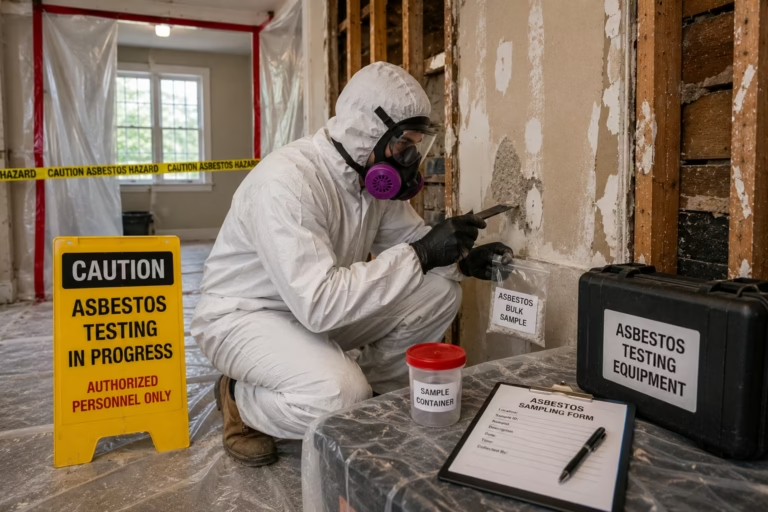
Asbestos testing before renovating in BC is an important step when older building materials may be disturbed during remodeling, demolition, restoration, or interior upgrades. Before removing drywall, flooring, ceilings, insulation, tile, cabinets, pipe wrap, or wall assemblies, homeowners and contractors should confirm whether asbestos-containing materials may be present.
Renovation work can turn hidden materials into active site concerns. Cutting, sanding, drilling, scraping, breaking, or removing older materials may release hazardous dust if those materials contain asbestos. Testing before renovation helps identify what is safe to disturb, what requires abatement, and how the project should be sequenced before general demolition begins.
For homeowners, builders, restoration companies, and renovation contractors in Burnaby, Vancouver, Richmond, Surrey, Coquitlam, Langley, and nearby BC communities, early asbestos testing can reduce project delays and help protect everyone who enters the work area.
Why Asbestos Testing Matters Before Renovation
Asbestos testing matters because asbestos-containing materials are not always obvious. A wall, floor, ceiling, adhesive, or insulation product may look ordinary but still require testing if it was installed in an older building or will be disturbed during renovation work.
The main issue is disturbance. A material that remains untouched may not create the same immediate concern as a material being removed, drilled, scraped, sanded, or demolished. Renovation work often involves exactly those activities, which is why testing should happen before work begins.
Testing gives the project team a clear answer before demolition starts. If asbestos is not present, the renovation can move forward with more confidence. If asbestos is confirmed, the owner and contractor can plan professional removal before general demolition, trade work, or cleanup continues.
When Do You Need Asbestos Testing?
You may need asbestos testing before renovation when the project will disturb older or suspect materials. This is especially relevant before drywall removal, flooring replacement, popcorn ceiling removal, plaster removal, insulation removal, pipe access, bathroom demolition, kitchen demolition, basement renovation, commercial strip-outs, or full interior gut renovations.
Testing should be completed before workers begin cutting or removing materials. Once suspect materials are disturbed, the project may become more difficult to manage. Work may need to stop, trades may need to be rescheduled, and cleanup may become more complicated.
For contractors, early testing is also a scheduling tool. It helps determine whether asbestos abatement needs to happen before framing, electrical, plumbing, HVAC, drywall, flooring, or finishing crews enter the site.
Common Materials That May Require Asbestos Testing
Asbestos may be found in a range of older residential and commercial building materials. It cannot be confirmed by appearance alone, so suspect materials should be tested before disturbance.
Materials that may need testing include drywall joint compound, textured ceilings, plaster, vinyl floor tiles, sheet flooring, flooring backing, flooring adhesives, black mastic, pipe insulation, duct wrap, attic insulation, vermiculite, cement board, siding, roofing materials, fireproofing materials, ceiling tiles, and older mechanical insulation.
These materials are often encountered during renovation. A kitchen renovation may disturb drywall compound, flooring, adhesives, and ceiling texture. A bathroom renovation may disturb wallboard, tile backing, pipe access areas, and flooring. A basement renovation may disturb insulation, drywall, duct materials, ceiling panels, and old floor layers.
Older Homes and Asbestos Risk
Older homes in BC often go through multiple renovation cycles. New finishes may be installed over old materials, and previous work may hide older flooring, wall compound, insulation, or ceiling texture beneath newer surfaces. This makes asbestos risk harder to judge without proper testing.
Homeowners sometimes assume that if a room looks updated, asbestos is not a concern. That is not always reliable. A renovated room may still have older materials behind walls, under flooring, above ceilings, or around pipes and mechanical areas.
Before starting a home renovation, it is useful to review the age of the property, the renovation history, and the exact materials that will be disturbed. If older or unknown materials are involved, asbestos testing should be considered before demolition begins.
Asbestos Testing Before Kitchen Renovations
Kitchen renovations often disturb multiple building materials at once. Cabinets may be removed. Flooring may come up. Walls may be opened for plumbing or electrical work. Backsplashes, ceilings, and old adhesives may also be affected.
Because kitchens often contain layered flooring and older wall materials, asbestos testing should be considered before demolition starts. Testing can help identify whether flooring, adhesives, drywall compound, or ceiling texture needs abatement before contractors continue.
For homeowners and renovation contractors, this prevents avoidable disruption. It is easier to test before cabinet and flooring removal than to stop the project after suspect material has already been disturbed.
Asbestos Testing Before Bathroom Renovations
Bathroom renovations can involve removing tile, drywall, flooring, wallboard, ceiling materials, fixtures, and plumbing access areas. Because bathrooms are small enclosed spaces with several materials close together, demolition can create dust and debris quickly.
Older bathrooms may contain suspect flooring, tile backing, drywall compound, ceiling texture, plaster, or pipe-related materials. Testing before bathroom demolition helps determine whether asbestos removal is required before the space is opened up for plumbing, electrical, waterproofing, or finishing work.
This is especially important when the project involves a full bathroom gut rather than a minor fixture replacement.
Asbestos Testing Before Flooring Removal
Flooring removal is one of the most common renovation tasks that may require asbestos testing. Older vinyl tiles, sheet flooring, backing layers, leveling materials, and adhesives may contain asbestos or be installed over older suspect materials.
New flooring is often installed over older flooring, creating multiple hidden layers. A contractor may not know what is underneath until removal begins. Testing before flooring removal helps determine whether the material can be removed as standard renovation debris or whether asbestos abatement is required first.
If flooring is cut, scraped, ground, broken, or aggressively removed without testing, the project may become harder to control if asbestos is later confirmed.
Asbestos Testing Before Popcorn Ceiling or Texture Removal
Ceiling texture removal can disturb a large surface area. If the material contains asbestos, scraping or sanding can create unnecessary risk. This is why textured ceilings should be reviewed before removal, especially in older properties.
Testing helps confirm whether the ceiling material can be removed as part of a standard renovation or whether abatement is needed. It also helps the contractor plan the sequence properly before painters, drywall crews, electricians, or other trades begin work in the same area.
Commercial Renovations and Asbestos Testing
Asbestos testing is not only relevant for homes. Commercial spaces may also contain suspect materials, especially in older office buildings, retail units, restaurants, warehouses, clinics, and multi-tenant properties.
Commercial renovations may disturb flooring, ceiling tiles, drywall compound, partitions, pipe insulation, duct insulation, adhesives, mechanical areas, washroom finishes, and previous tenant improvements. If asbestos is discovered after a tenant improvement project has started, the schedule can be affected quickly.
For property managers, landlords, and general contractors, pre-renovation asbestos testing helps determine whether the space can move directly into demolition or whether abatement is needed before the next trade enters.
How Asbestos Testing Fits Into the Renovation Schedule
Asbestos testing should happen early in the project, before demolition or removal work begins. The best time is during planning, after the renovation scope is known but before contractors disturb suspect materials.
A practical sequence starts with identifying the rooms and materials affected by the renovation. The next step is asbestos testing for suspect materials. If no asbestos is found, general demolition can usually proceed according to the renovation plan. If asbestos is confirmed, abatement should be scheduled before general demolition continues.
This sequence helps protect the project schedule. It also gives trades a clearer understanding of when the site will be ready for their work.
Rocky Demolition & Asbestos Removal provides asbestos testing and inspection services for homes and businesses where renovation or demolition may disturb suspect materials.
What Happens If Asbestos Is Found?
If asbestos is found, the next step is to plan asbestos abatement before the material is disturbed by general renovation work. The removal plan depends on the material, location, condition, quantity, access, and renovation scope.
Asbestos-containing materials should not be treated as ordinary demolition debris. Removal may require containment, protective procedures, controlled material handling, specialized disposal, and cleanup before the site is ready for other trades.
For contractors, confirmed asbestos means the schedule should be adjusted before general demolition continues. This helps prevent other trades from entering areas that are not ready and keeps the project sequence more controlled.
Rocky Demolition provides asbestos removal services in Burnaby and Vancouver for residential and commercial projects that require professional abatement before renovation or demolition work continues.
Why BC Licensing and Certification Requirements Matter
In British Columbia, asbestos abatement is a regulated area of work. Contractors and property owners should verify that asbestos abatement work is handled by properly qualified professionals before removal begins.
Current WorkSafeBC requirements state that asbestos abatement contractors must be licensed to operate in BC, and workers performing asbestos abatement work must complete mandatory safety training and certification. Contractors can review the WorkSafeBC asbestos training, certification, and licensing requirements before planning asbestos-related work.
This matters because asbestos testing and abatement affect worker safety, project planning, disposal, and site readiness. General demolition crews should not be asked to remove asbestos-containing materials unless the work is being handled under the proper process.
Can You Renovate Without Asbestos Testing?
You can renovate without asbestos testing only when no suspect materials will be disturbed or when reliable documentation already confirms the materials are not asbestos-containing. In many older homes and commercial spaces, that documentation is not available, so testing is the safer planning step.
Skipping testing can create avoidable project risk. If suspect material is disturbed and later identified as asbestos-containing, the project may need to stop. Other trades may be affected, cleanup may become more complicated, and the renovation timeline may change.
Testing before renovation gives homeowners and contractors a clearer path. It helps answer the question before the site becomes active.
Who Should Arrange Asbestos Testing?
Asbestos testing may be arranged by the homeowner, general contractor, property manager, restoration contractor, builder, or commercial landlord, depending on who is managing the renovation. The key is that testing should be completed before materials are disturbed.
On contractor-led projects, the general contractor should confirm whether asbestos testing is required as part of the pre-construction planning process. On homeowner-led projects, the property owner should arrange testing before hiring trades to remove older materials.
For commercial projects, property managers and landlords should also consider how asbestos testing affects tenant improvement schedules, access, building management requirements, and other occupants in the building.
Asbestos Testing and Interior Demolition
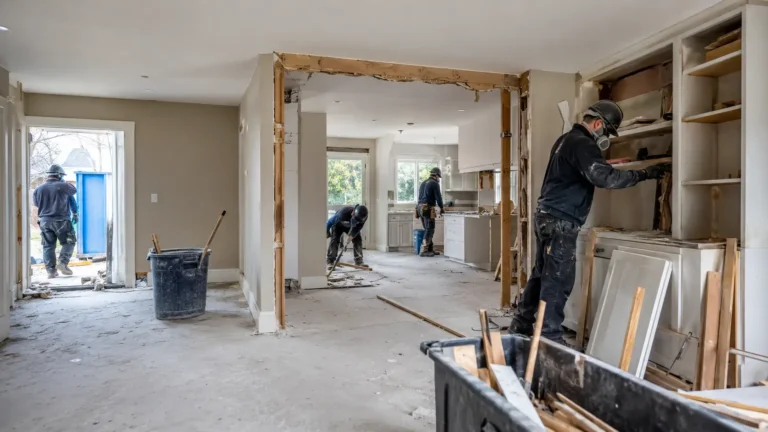
Interior demolition often creates asbestos testing needs because it disturbs many materials at once. Removing walls, flooring, ceilings, cabinets, insulation, and fixtures can expose older materials that were hidden behind finished surfaces.
Before starting interior demolition, the project team should review the building age, renovation history, and materials included in the demolition scope. If suspect materials will be disturbed, testing should happen first.
For projects that require demolition after testing or abatement, Rocky Demolition provides demolition services in Burnaby and Vancouver for residential and commercial properties that need controlled removal, debris handling, and site preparation.
Asbestos Testing and Mold or Water Damage
Renovation projects involving water damage, mold, or restoration work can also require asbestos testing. Damaged drywall, flooring, insulation, ceiling materials, or adhesives may need to be removed, but older materials should be assessed before disturbance.
Mold remediation and asbestos planning can overlap in older buildings. A contractor may need to remove affected drywall, insulation, or flooring, but those materials may still require testing before removal work begins. This helps determine the correct order of work.
Rocky Demolition also provides mold removal services in Vancouver and Burnaby for projects where moisture damage, mold-affected materials, and renovation preparation are connected.
Questions to Ask Before Renovation Starts
Before starting renovation work, homeowners and contractors should ask practical questions to decide whether asbestos testing is needed.
- How old is the building?
- Which rooms and materials will be disturbed?
- Will drywall, flooring, ceilings, insulation, tile, or adhesives be removed?
- Are there old layers beneath newer finishes?
- Will contractors be cutting, sanding, scraping, drilling, or demolishing materials?
- Has asbestos testing already been completed for the affected areas?
- Is there documentation showing the materials are asbestos-free?
- Will other trades enter the work area after demolition?
- Does the project involve older commercial finishes or tenant improvements?
- What happens to the schedule if asbestos is found after work begins?
If the answers suggest that older or unknown materials will be disturbed, asbestos testing should be completed before renovation starts.
Do You Need Asbestos Testing Before Renovating in BC?
You may need asbestos testing before renovating in BC if the project will disturb older or suspect materials such as drywall compound, flooring, ceiling texture, insulation, pipe wrap, adhesives, plaster, or other building products. Testing should happen before demolition or removal work begins so asbestos abatement can be planned safely if needed.
This is especially important for older homes, commercial renovations, tenant improvements, restoration projects, flooring removal, ceiling removal, bathroom renovations, kitchen renovations, basement renovations, and full interior strip-outs.
Pre-Renovation Asbestos Testing Checklist
- Confirm the renovation scope before demolition begins.
- Identify all materials that will be disturbed.
- Review the property age and renovation history.
- Check whether old flooring, drywall compound, ceiling texture, insulation, or adhesives are present.
- Arrange asbestos testing before cutting, sanding, scraping, drilling, or removing suspect materials.
- Pause work around suspect materials until test results are known.
- Plan asbestos removal before general demolition if asbestos is confirmed.
- Coordinate abatement with the renovation contractor and upcoming trades.
- Keep asbestos-containing waste separate from general demolition debris.
- Confirm the site is ready before reconstruction begins.
Local Asbestos Testing Support for BC Renovations
Rocky Demolition & Asbestos Removal supports homeowners, contractors, restoration companies, builders, landlords, and property managers with asbestos testing, asbestos removal, demolition, mold removal, cleanup, and disposal-related services.
This service mix is useful because renovation projects often involve more than one site preparation issue. A homeowner may need asbestos testing before flooring removal. A contractor may need asbestos abatement before demolition. A restoration company may need mold removal and hazardous material review before rebuilding. A commercial property manager may need testing before tenant improvement work begins.
Rocky Demolition serves Burnaby, Vancouver, Richmond, Surrey, Langley, Coquitlam, Delta, New Westminster, Port Moody, Abbotsford, and nearby BC communities. Property owners and contractors can review Rocky’s service areas to confirm local coverage.
Start Renovation With Clear Testing and Safer Planning
Renovation work should begin with a clear understanding of the materials being disturbed. Asbestos testing gives homeowners and contractors the information needed to plan demolition, abatement, disposal, cleanup, and trade sequencing before work begins.
By testing early, property owners can reduce the chance of project interruptions and contractors can create a safer, more organized renovation schedule.
If you need asbestos testing before renovating in BC, contact Rocky Demolition & Asbestos Removal through the contact page to discuss asbestos testing, asbestos removal, demolition, mold removal, cleanup, and site preparation support.