Mold is a hidden threat in homes and businesses, especially in humid areas like Vancouver and Burnaby. Left unchecked, it can damage structures, lower air quality, and cause health issues. Knowing how to identify mold early is crucial for effective mold removal in Burnaby and Vancouver. In this guide, we’ll show you common signs of mold, where it hides, and the tools that help detect it. Keep reading to learn how to spot mold before it becomes a bigger problem.
How to Identify Mold?
When learning how to identify mold, especially black mold, it’s important to look for specific signs. Black mold (Stachybotrys chartarum) thrives in damp, dark areas, and can cause serious health issues if not addressed. Here are the key indicators to help you identify mold early:
| Sign | Description |
|---|---|
| Color | Black or dark greenish-black color, often with a slimy texture. |
| Odor | Musty or earthy smell, often pungent. |
| Location | Commonly found in damp, water-damaged areas like basements, bathrooms, and kitchens. |
| Texture | Typically slimy or wet; may also appear fuzzy or cotton-like. |
| Health Symptoms | Can cause respiratory issues, headaches, fatigue, or allergic reactions. |
Understanding how to identify mold is essential for preventing further damage and maintaining a healthy indoor environment.
Common Signs of Mold in Your Home or Business
Recognizing how to identify mold early can save you from expensive repairs and health risks. Here are the most common signs to watch for:
1. Visible Mold Growth
Mold often appears as black, green, white, or orange patches on surfaces like walls, ceilings, or floors. It may look fuzzy, slimy, or powdery and can spread rapidly if not addressed. In Vancouver’s damp climate, check areas exposed to moisture, such as bathrooms or basements, and consider professional mold removal in Vancouver for persistent issues.
2. Musty Odors
A persistent musty or earthy smell is a telltale sign of mold, even if it’s not visible. This odor comes from microbial volatile organic compounds (MVOCs) produced by mold colonies. If you notice this smell in your home or office, investigate further.
3. Water Damage or Stains
Water stains, discoloration, or warping on walls, ceilings, or floors often indicate moisture issues that foster mold growth. Look for yellowing drywall, peeling paint, or bubbling wallpaper, especially after heavy rain in Vancouver.
4. Health Symptoms
Unexplained allergic reactions, such as sneezing, coughing, itchy eyes, or skin rashes, may point to mold exposure. In businesses, employees reporting frequent respiratory issues could indicate mold in the workplace. Contact experts for mold removal in Burnaby to address health concerns.
5. Condensation and High Humidity
Excessive condensation on windows or consistently high indoor humidity (above 60%) creates a breeding ground for mold. Vancouver’s wet winters make this a common issue, especially in poorly ventilated spaces.
Hidden Areas Where Mold Thrives
Mold loves dark, damp, and poorly ventilated areas, making certain spots in your home or business especially vulnerable. Here are the key areas where mold is most likely to thrive, and how to identify it early:
1. Behind Walls and Under Flooring
Leaky pipes or water damage can lead to mold growth behind drywall or under carpets and hardwood floors. Look for bulging walls, soft spots in flooring, or peeling paint as warning signs. For safe removal, consider mold removal in Vancouver.
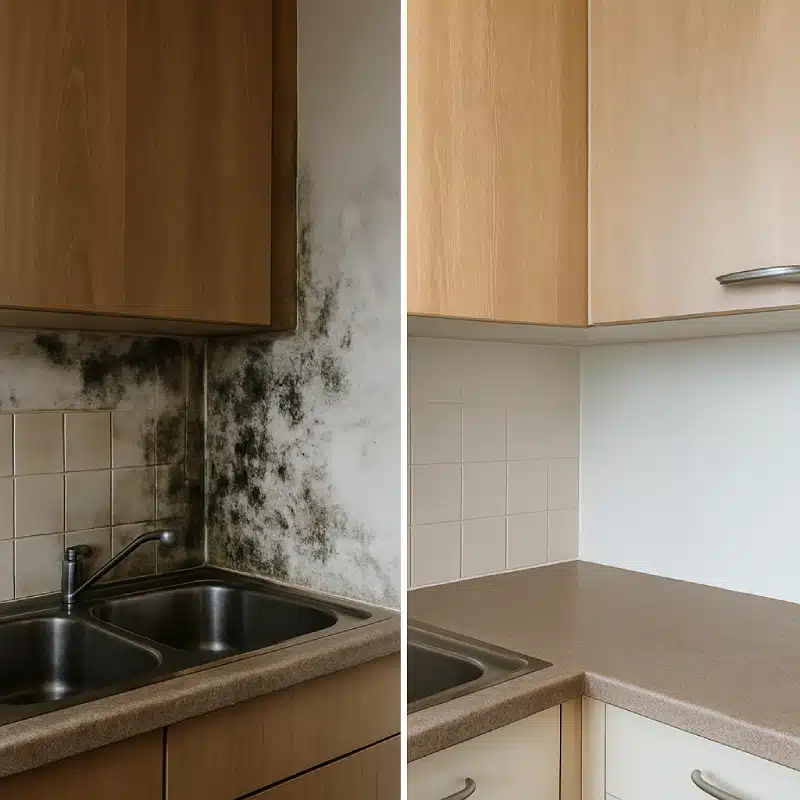
2. Under Sinks and Around Plumbing
Leaks under kitchen or bathroom sinks are prime mold hotspots. Inspect cabinets and pipes for dampness, discoloration, or mold growth.
3. Basements and Crawl Spaces
Vancouver’s high groundwater levels make basements and crawl spaces prone to mold. Poor ventilation and seepage can create ideal conditions for mold to flourish. Schedule a professional inspection with mold removal in Burnaby.
4. Attics and Roof Spaces
Roof leaks or inadequate insulation can lead to mold in attics. Check for damp rafters, stained ceilings, or moldy insulation, especially after heavy rainfall.
5. Around Windows and Doors
Condensation on window sills, frames, or door seals can foster mold growth. Regularly inspect these areas, especially in older Vancouver buildings.
6. Inside HVAC Systems and Air Ducts
Mold in HVAC systems can spread spores throughout your property. A musty smell when your heating or cooling system runs is a red flag. Professional mold removal in Vancouver includes duct cleaning to prevent mold spread.
7. Behind Appliances
Appliances like refrigerators, dishwashers, or washing machines can leak, causing mold to grow behind or beneath them. Check these areas during routine maintenance.
8. Commercial Spaces: Unique Mold Hotspots
In businesses, mold can hide in storage rooms, employee break rooms, or behind office furniture. High-traffic areas with poor ventilation, such as Vancouver office buildings, are particularly vulnerable. Protect your workplace with mold removal in Burnaby.
Modern Tools for Mold Detection: How to Identify Mold Effectively
Modern technology has made mold detection simpler and more accurate. Here are key tools to identify mold:
- Moisture Meters: Measure moisture in walls, floors, and ceilings to detect hidden dampness.
- Thermal Imaging Cameras: Identify temperature differences caused by moisture, revealing hidden mold.
- Air Quality Testing Kits: Measure mold spore levels in the air to detect invisible mold.
- DIY Mold Test Kits: Collect samples for lab analysis, though professional help is recommended for large infestations.
Health and Structural Risks of Mold
Mold isn’t just unsightly. it’s a health and structural hazard:
- Health Risks: Prolonged exposure can cause allergies, asthma, respiratory infections, or skin irritation. Vulnerable groups, like children or the elderly, are at higher risk.
- Structural Damage: Mold can weaken drywall, wood, and other materials, leading to costly repairs. In Vancouver’s competitive real estate market, mold can also lower property value, especially if it’s found during a demolition project.
What to Do If You Suspect Mold
If you notice any signs of mold, act quickly to prevent further damage:
- Assess the Extent: Small patches (less than 10 square feet) may be manageable with DIY cleaning using mold-specific cleaners. Larger infestations require professional intervention.
- Address the Moisture Source: Fix leaks, improve ventilation, or use dehumidifiers to eliminate the conditions that allow mold to thrive.
- Hire Professionals: For hidden mold or large-scale growth, contact experts like Rocky Demolition. Our certified team in Vancouver and Burnaby uses advanced techniques, including HEPA filtration and eco-friendly treatments, to ensure safe mold removal in Burnaby or mold removal in Vancouver.
Prevention Tips to Keep Mold at Bay
Preventing mold is easier than dealing with an infestation. Follow these tips to keep your Vancouver home or business mold-free:
- Control Humidity: Use dehumidifiers to keep indoor humidity below 50%, especially during Vancouver’s rainy seasons.
- Improve Ventilation: Install exhaust fans in bathrooms and kitchens, and ensure proper airflow in basements and attics.
- Fix Leaks Promptly: Repair leaking pipes, roofs, or windows within 24-48 hours to prevent moisture buildup.
- Regular Inspections: Schedule annual mold inspections, especially for older properties or commercial buildings in Burnaby and Vancouver. Combine this with an asbestos inspection if your property is pre-1980s.
- Use Mold-Resistant Materials: Consider mold-resistant drywall or paint for renovations in high-risk areas.

Why Choose Rocky Demolition for Mold Removal?
Rocky Demolition provides professional mold removal Vancouver services across Burnaby and Vancouver with a strong focus on safety, accuracy, and long-term results. Early detection helps prevent costly structural damage and serious health risks. Our certified technicians use advanced equipment to locate hidden mold and remove it completely.
Why clients trust Rocky Demolition:
- Certified mold remediation specialists
- Advanced tools to detect hidden mold
- Proper containment to prevent cross-contamination
- HEPA air filtration to protect indoor air quality
- Safe disposal of contaminated materials
- Free on-site consultations
- Fast service across Burnaby and Vancouver
Protect your property before mold becomes a bigger problem. Contact Rocky Demolition today for expert mold removal you can trust.
Conclusion
Identifying mold early is critical to protecting your health, property, and peace of mind. By recognizing the signs of mold, checking hidden areas, and using modern detection tools, you can stay ahead of this common issue in Vancouver’s damp climate. If you suspect mold in your home or business, don’t wait. contact Rocky Demolition for expert mold removal in Burnaby or mold removal in Vancouver.
Call us today visit our services page for a free consultation and keep your property mold-free!